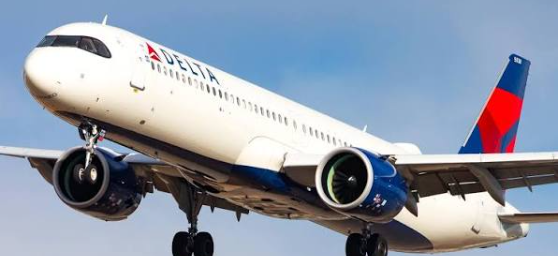
Delta Flight DL275 Japan Diversion LAX Complete Guide to the Flight Incident
The search term Delta Flight DL275 Japan Diversion LAX gained significant attention after Delta Air Lines Flight DL275, operating from Detroit Metropolitan Wayne County Airport (DTW) to Tokyo Haneda Airport (HND), diverted to Los Angeles International Airport (LAX) during its journey across the Pacific. The diversion prompted questions from travelers and aviation enthusiasts about what happened, why the crew chose Los Angeles, and whether passengers were ever in danger.
According to consistent reports, the aircraft was an Airbus A350-900 operating its scheduled route from Detroit to Tokyo when the flight crew received an engine anti-ice system warning. Following standard aviation safety procedures, the crew elected to divert to Los Angeles rather than continue across the Pacific. The aircraft landed safely, and no injuries were reported.
This guide explains the confirmed facts about the incident, why diversions occur, why LAX was selected, how airlines manage these situations, and what passengers can expect after a diversion.
What Happened on Delta Flight DL275?
Delta Flight DL275 was operating its regular nonstop service between Detroit and Tokyo Haneda.
During the flight, the crew received an indication related to the aircraft’s engine anti-ice system. While the warning did not mean the aircraft was in immediate danger, it required the pilots to evaluate the situation carefully.
Following established safety procedures, the pilots decided to divert the flight to Los Angeles International Airport instead of continuing toward Japan. The aircraft landed safely, passengers disembarked normally, and the aircraft later underwent maintenance before returning to service.
Flight Information
Key details include:
- Flight Number: DL275
- Airline: Delta Air Lines
- Departure Airport: Detroit (DTW)
- Destination Airport: Tokyo Haneda (HND)
- Diversion Airport: Los Angeles International Airport (LAX)
- Aircraft: Airbus A350-900
- Engine Type: Rolls-Royce Trent XWB
- Outcome: Safe landing with no reported injuries.
Why Did Delta Flight DL275 Divert?
Commercial aircraft divert for safety whenever pilots determine that continuing the flight is not the best option.
In this case, reports consistently identify an engine anti-ice system warning as the reason for the diversion. Such systems help prevent ice formation in conditions where icing could affect engine performance. Even if the aircraft remains fully controllable, airlines typically follow conservative safety procedures when these warnings occur.
Why Was LAX Chosen Instead of Another Airport?
Many travelers wondered why the aircraft continued to Los Angeles instead of landing at a closer airport.
Several practical factors likely influenced the decision.
Maintenance Capability
Los Angeles is one of Delta’s major operational hubs and has extensive maintenance facilities capable of supporting wide-body aircraft such as the Airbus A350.
Passenger Support
A large international airport offers more options for rebooking passengers, arranging accommodations, and providing customer assistance.
Operational Resources
Large airports can better accommodate international diversions with experienced ground crews and required equipment.
Safety Considerations
Pilots and airline operations teams evaluate multiple factors before selecting the most appropriate diversion airport, including aircraft condition, weather, airport facilities, and operational support.
What Happens During a Flight Diversion?
When an aircraft diverts, airlines follow well-established procedures designed to protect passengers and crew.
Typical steps include:
Flight Crew Assessment
Pilots evaluate aircraft systems, consult operational procedures, and communicate with airline operations.
Air Traffic Control Coordination
Controllers assist by providing routing, priority handling when needed, and coordinating arrival at the diversion airport.
Safe Landing
The aircraft lands using normal or precautionary procedures depending on the situation.
Passenger Assistance
After landing, passengers receive information regarding onward travel, rebooking, accommodations when applicable, and baggage arrangements.
Was Passenger Safety Ever at Risk?
Available information indicates that the diversion was carried out as a precautionary safety measure.
The aircraft landed safely, no injuries were reported, and the crew followed standard aviation procedures. Modern commercial aviation is designed with multiple layers of redundancy, allowing flight crews to respond safely to technical alerts.
Common Reasons Flights Divert
Although every situation is different, commercial flights may divert because of:
Mechanical Precautions
Minor technical issues or system warnings that require inspection.
Medical Emergencies
Passengers or crew members needing urgent medical care.
Severe Weather
Thunderstorms, strong winds, volcanic ash, or other hazardous conditions.
Airport Restrictions
Runway closures, congestion, or operational limitations.
Security Concerns
Situations requiring additional precautionary measures.
Passenger Rights After a Flight Diversion
When a flight is diverted, airlines work to assist passengers based on the reason for the diversion, operational requirements, and applicable policies.
Passengers may receive:
- Updated travel information
- Rebooking on the next available flight
- Assistance with connecting flights
- Meal vouchers during extended delays, when applicable
- Hotel accommodations if an overnight stay is required
- Customer service support for itinerary changes
The assistance offered depends on the circumstances surrounding the diversion and the airline’s policies.
How Delta Air Lines Handles Flight Diversions
Airlines follow established procedures to minimize disruption while keeping safety as the highest priority.
Communicating With Passengers
The flight crew and ground staff provide updates regarding the diversion, expected delays, and next steps whenever information becomes available.
Aircraft Inspection
After landing, certified maintenance technicians inspect the aircraft to identify the cause of the reported issue before it returns to service.
Rebooking Travelers
Passengers are rebooked on replacement flights or alternative travel arrangements when necessary.
Coordinating Ground Services
Airport staff assist with baggage handling, immigration procedures for international travelers, transportation, and accommodations when required.
Aviation Safety Procedures During Diversions
Commercial aviation follows strict international safety standards whenever a flight diverts.
Pilot Decision Making
Pilots evaluate aircraft systems, weather conditions, fuel status, airport suitability, and operational guidance before selecting the safest course of action.
Maintenance Evaluation
Qualified engineers perform detailed inspections before approving the aircraft for future flights.
Air Traffic Control Support
Controllers coordinate arrival procedures and provide routing assistance to ensure a safe landing.
Airline Operations Coordination
Airline operations teams monitor the situation, communicate with airport authorities, and arrange support for passengers.
What Travelers Can Learn From DL275
The Delta Flight DL275 Japan Diversion LAX incident demonstrates how modern aviation prioritizes safety.
Important takeaways include:
- Technical warnings are taken seriously.
- Diversions are precautionary safety measures.
- Modern aircraft are designed with multiple backup systems.
- Flight crews receive extensive training for unexpected situations.
- Airlines coordinate closely with maintenance teams and airport authorities.
- Passenger safety remains the highest priority during every stage of the flight.
The successful diversion and safe landing illustrate how established aviation procedures help manage technical events effectively.
Tips for Travelers During a Flight Diversion
Although diversions can be inconvenient, a few practical steps can make the experience less stressful.
- Remain calm and follow crew instructions.
- Listen carefully to official announcements.
- Keep travel documents easily accessible.
- Monitor airline notifications for updates.
- Contact family or your destination if delays become significant.
- Retain boarding passes and travel receipts if needed.
- Be patient while airline staff arrange new travel plans.
Following crew instructions helps ensure a smooth and safe process for everyone on board.
Why Flight Diversions Are More Common Than Many People Think
A flight diversion does not necessarily indicate a dangerous emergency.
Airlines may divert aircraft whenever continuing the scheduled route is not considered the safest or most practical option. Reasons can include technical system alerts, medical emergencies, weather changes, airport congestion, or operational considerations.
The aviation industry’s conservative approach helps reduce risk and ensures that even minor concerns are investigated promptly.
Best Practices for Air Travelers
Being prepared can make unexpected travel disruptions easier to manage.
- Arrive at the airport with extra time.
- Keep important medications in your carry-on bag.
- Carry a portable phone charger.
- Enable airline mobile notifications.
- Purchase travel insurance when appropriate.
- Stay informed using official airline updates.
- Be flexible with travel plans when delays occur.
- Follow instructions from airline and airport staff.
These habits can reduce stress during unexpected travel events.
If you want to learn more about Delta Flight DL275 Japan Diversion LAX and explore additional aviation news, travel guides, and airline information, visit themarginist.com. The website offers informative articles covering commercial aviation, airport updates, flight safety, travel tips, and industry developments to help travelers stay informed before and during their journeys.
Final Thoughts
The Delta Flight DL275 Japan Diversion LAX incident highlights how the aviation industry places safety above all other considerations. After the crew received an engine anti-ice system warning, they followed established procedures by diverting to Los Angeles International Airport, where the aircraft landed safely without reported injuries.
While diversions may interrupt travel plans, they demonstrate the effectiveness of modern aviation safety systems, highly trained flight crews, and coordinated airline operations. Understanding why diversions occur can help travelers appreciate that these decisions are made to protect everyone on board.
Frequently Asked Questions
What happened to Delta Flight DL275?
Delta Flight DL275, operating from Detroit to Tokyo Haneda, diverted to Los Angeles International Airport after the flight crew received an engine anti-ice system warning. The aircraft landed safely, and no injuries were reported.
Why did Delta Flight DL275 divert to LAX?
The diversion was made as a precaution after an engine anti-ice system alert. Los Angeles International Airport offered suitable maintenance facilities and operational support for the aircraft.
Was Delta Flight DL275 involved in an emergency?
The diversion was a precautionary safety measure. The crew followed standard aviation procedures, and the aircraft landed safely.
What aircraft operated Delta Flight DL275?
The flight was operated using an Airbus A350-900 equipped with Rolls-Royce Trent XWB engines.
Were any passengers injured during the diversion?
No. Publicly available reports indicate that the aircraft landed safely and no injuries were reported.
Why do airlines divert flights?
Flights may divert because of technical system warnings, medical emergencies, severe weather, airport operational issues, or other situations where landing at an alternate airport is considered the safest option.
What happens after a diverted flight lands?
The aircraft is inspected by maintenance personnel, passengers receive assistance with onward travel, and the airline coordinates rebooking or other accommodations when necessary.
Is a flight diversion a sign that an aircraft is unsafe?
Not necessarily. Many diversions occur as precautionary measures. Commercial aviation follows strict safety standards, and flight crews are trained to divert whenever continuing the flight is not the safest decision.