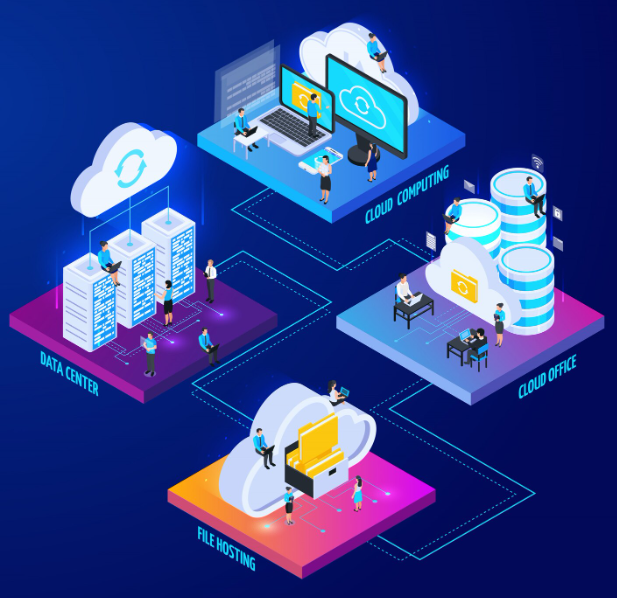
An Introduction to Cloud Computing and Its Key Benefits
Introduction
Cloud computing has become one of the most important technologies in the modern digital world. It allows individuals, businesses, and organizations to access computing resources such as storage, software, and processing power through the internet instead of relying on physical hardware. With the r apid growth of data and online services, cloud computing provides a flexible and efficient way to manage information and technology needs. This article explains the concept of cloud computing, how it works, and the major benefits it offers.
Understanding Cloud Computing
Cloud computing refers to the delivery of computing services over the internet. These services include servers, databases, networking, software, and storage. Instead of installing programs or saving files on a personal computer or local server, users can access everything online through a cloud service provider. Popular providers maintain large data centers that store and manage data securely. Users only need an internet connection and a device to access these services.
How Cloud Computing Works
Cloud computing works by using remote servers hosted on the internet to store and process data. When a user uploads a file or uses an online application, the data is sent to the provider’s servers. These servers process the request and return the required result to the user’s device. The user does not need to worry about maintaining hardware, updating software, or managing security systems because these tasks are handled by the cloud provider.
Types of Cloud Services
Cloud computing services are generally offered in different forms based on user needs. Infrastructure services provide basic computing resources such as virtual machines and storage. Platform services offer tools and environments for developers to build and test applications. Software services allow users to access applications directly through a web browser without installation. These service models make cloud computing suitable for both technical and non-technical users.
Accessibility and Flexibility
One of the biggest advantages of cloud computing is accessibility. Users can access their data and applications from anywhere in the world using any compatible device. This flexibility supports remote work, online learning, and global collaboration. Teams can share files and work together in real time without being in the same physical location.
Cost Efficiency
Cloud computing helps reduce costs by eliminating the need for expensive hardware and maintenance. Users usually pay only for the resources they use, which makes it a cost-effective option for small businesses and individuals. There is no need to invest in large servers or hire specialized staff to manage them. This pay-as-you-go model allows organizations to control their expenses more effectively.
Scalability and Performance
Cloud computing allows users to scale resources according to their needs. If a business experiences increased demand, it can quickly increase storage or processing power. When demand decreases, resources can be reduced. This scalability ensures high performance without wasting resources. Cloud providers also use advanced technologies to maintain speed and reliability, even during heavy usage.
Data Security and Backup
Security is a major concern in the digital age, and cloud providers invest heavily in protecting user data. They use encryption, firewalls, and regular security updates to prevent unauthorized access. Cloud computing also makes data backup easier. Information stored in the cloud is automatically backed up, reducing the risk of data loss due to hardware failure or accidents.
Environmental Impact
Cloud computing can also help reduce environmental impact. Large cloud data centers are designed to use energy efficiently compared to traditional local servers. By sharing resources among many users, cloud computing reduces the need for excessive hardware, which lowers energy consumption and electronic waste.
Conclusion
Cloud computing has transformed the way people use technology by making computing resources more accessible, affordable, and efficient. It supports innovation, collaboration, and growth across many fields such as education, healthcare, and business. As technology continues to advance, cloud computing will play an even greater role in shaping the future of digital services. Its flexibility, cost efficiency, and reliability make it an essential part of modern technology.
