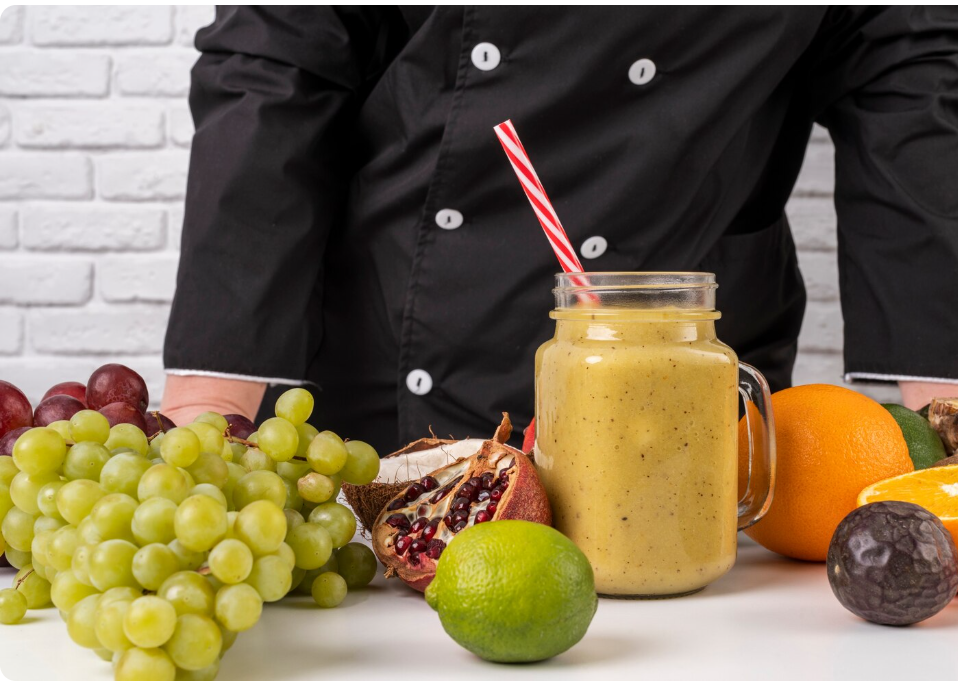
Juice for Business Ideas in India: 20 Profitable Juice Shop Concepts, Startup Costs, Equipment.
Starting a juice business can be an attractive opportunity for aspiring entrepreneurs who want to enter the food and beverage industry. Fresh fruit juices, vegetable blends, smoothies, seasonal drinks, and healthy refreshments can appeal to students, office workers, fitness enthusiasts, families, and everyday customers.
One advantage of this business is that it can begin on a relatively small scale. You do not necessarily need a large restaurant or expensive café. Depending on your budget, you could start with a roadside juice cart, a small takeaway counter, a juice shop, a mobile stall, or a delivery-based business.
However, success depends on more than preparing tasty drinks. Location, fruit quality, hygiene, pricing, equipment, customer service, and control of perishable ingredients all influence profitability.
This guide explores creative juice business ideas, investment estimates, menu options, equipment requirements, licensing, marketing strategies, and practical steps for launching a juice venture in India in 2026.
Key Takeaways
- A juice business can start as a small cart, takeaway counter, café, or delivery service.
- Fresh fruit juice, vegetable juice, smoothies, seasonal drinks, and sugar-free options offer different selling opportunities.
- Location and customer demand are important when choosing a business model.
- Start with a manageable menu to reduce fruit wastage.
- Commercial juicers, blenders, refrigeration, clean water, and food-grade packaging are essential considerations.
- Calculate ingredient, packaging, rent, labour, electricity, and delivery expenses before setting prices.
- Food businesses in India must obtain the applicable FSSAI registration or licence.
- Customer trust depends on hygiene, consistent taste, transparent pricing, and reliable service.
1. What Is a Juice Business?
A juice business involves preparing and selling beverages made from fruits, vegetables, and other ingredients. Depending on the business model, products may be prepared fresh for immediate consumption or packaged for sale through approved distribution channels.
A basic juice stall may sell orange, watermelon, pineapple, and sweet lime juice. A more specialised juice bar may offer smoothies, vegetable blends, protein-based beverages, fruit bowls, and customised combinations.
There are several ways to operate this business:
- Roadside juice cart.
- Small juice shop.
- Shopping-centre or market kiosk.
- Premium juice café.
- Mobile juice counter.
- Fresh juice delivery service.
- Packaged juice production unit.
- Juice subscription service.
The right model depends on your available capital, location, experience, and target customers.
2. Best Juice for Business Ideas
Before investing in equipment or renting a shop, decide what kind of juice business you want to operate. The following concepts offer different entry points.
1. Fresh Fruit Juice Shop
A traditional fresh fruit juice shop is one of the simplest concepts to understand and operate.
You can prepare drinks using seasonal fruits such as watermelon, orange, pineapple, mango, pomegranate, and sweet lime.
Why consider it?
- Familiar products attract a broad customer base.
- Seasonal fruits can provide menu variety.
- Customers can watch drinks being prepared.
- A small takeaway counter may be sufficient.
Focus on freshness, clean preparation, and consistent portion sizes.
2. Sugar-Free Juice Bar
A sugar-free juice bar can appeal to customers who prefer drinks without added sugar.
Offer naturally sweet fruit combinations and clearly explain which products contain added ingredients.
Avoid making medical or weight-loss promises. A drink without added sugar is not automatically suitable for every dietary requirement.
3. Vegetable Juice Business
Vegetable juices provide an alternative to conventional fruit-based drinks.
Possible menu items include:
- Carrot juice.
- Beetroot juice.
- Cucumber juice.
- Tomato juice.
- Spinach-based blends.
- Carrot and ginger combinations.
Introduce vegetable drinks gradually and test customer preferences before expanding the menu.
4. Smoothie Business
Smoothies are thicker beverages prepared by blending fruits with ingredients such as milk, yoghurt, or plant-based alternatives.
Popular combinations include banana, mango, strawberry, and mixed berries.
A smoothie counter may attract customers looking for filling refreshments, especially near colleges, gyms, and shopping areas.
5. Cold-Pressed Juice Brand
Cold-pressed juice businesses use specialised extraction equipment to produce bottled beverages.
This model can serve customers who prefer convenient, packaged drinks. However, it requires careful attention to processing, refrigeration, shelf-life validation, packaging, labelling, and food-safety requirements.
Do not assume that fresh bottled juice can safely be stored for several days without an appropriate validated process.
6. Seasonal Juice Stall
A seasonal juice stall focuses on fruits that are readily available at different times of the year.
For example:
- Summer: watermelon, mango, muskmelon, and lemon.
- Monsoon: selected citrus and other suitable seasonal fruits.
- Winter: orange, sweet lime, carrot, and pomegranate.
Seasonal purchasing can help manage ingredient costs, but the menu should always reflect actual availability and quality.
7. Sugarcane Juice Business
Sugarcane juice is a familiar beverage in many parts of India.
You can operate a dedicated sugarcane juice counter with a suitable commercial machine.
Important considerations include machine maintenance, clean sugarcane storage, safe water, hygienic preparation, and proper waste disposal.
8. Coconut Water and Fresh Fruit Counter
A coconut water business can operate independently or alongside a juice shop.
You can offer fresh coconut water, cut fruit, and selected seasonal refreshments.
This model may work well in busy markets, tourist areas, parks, and locations with regular pedestrian traffic.
9. Office Juice Delivery Service
This model supplies fresh beverages to office employees.
You can accept advance orders from nearby offices and deliver at fixed times.
Potential customers include:
- Small businesses.
- Corporate offices.
- Coworking spaces.
- Training centres.
- Commercial buildings.
Start with a limited delivery area so that product quality and delivery times remain manageable.
10. Juice and Fruit Bowl Café
A small café can combine fresh juices, smoothies, fruit bowls, and light refreshments.
This concept requires more space and investment than a basic stall, but it can create additional sales opportunities.
11. Mobile Juice Cart
A mobile juice cart allows an entrepreneur to operate with a smaller physical setup than a permanent shop.
The cart can be positioned at permitted markets, events, or other suitable locations.
Check local vending permissions, municipal requirements, and food-safety obligations before starting.
12. Gym-Focused Juice Counter
A juice counter near a gym or fitness centre can offer smoothies, fruit-based beverages, and other refreshments.
You may also explore partnerships with fitness studios.
Avoid advertising drinks as treatments or guaranteed muscle-building or fat-burning products.
13. Children’s Fruit Drink Counter

A family-oriented juice counter can offer simple fruit combinations and smaller serving sizes.
Use clear ingredient information and pay attention to hygiene, portion sizes, and customer preferences.
14. Fruit and Juice Subscription Service
A subscription business offers customers scheduled deliveries.
Possible packages include:
- Five-day office beverage plans.
- Weekly family juice orders.
- Prepaid morning drink packages.
- Event-based beverage subscriptions.
Subscriptions can make demand easier to estimate, but you must plan cancellations, delivery schedules, refrigeration, and ingredient purchasing.
15. Event and Party Juice Catering
You can supply fresh beverages at birthday parties, weddings, exhibitions, corporate events, and community gatherings.
This business may require portable counters, staff, transportation, storage, and event-specific permissions.
16. Lemonade and Mocktail Counter
A specialised lemonade and non-alcoholic beverage counter can sell refreshing drinks with lemon, mint, seasonal fruits, and other flavour combinations.
It can work as a standalone stall or as an additional section of an existing juice shop.
17. Fruit Juice Vending Kiosk
A compact kiosk can operate in suitable commercial locations such as shopping centres, office complexes, or transport areas.
Before committing to rent, estimate foot traffic, operating restrictions, utility availability, and expected daily orders.
18. Packaged Juice Manufacturing
A packaged juice unit produces beverages for retailers, cafés, restaurants, or direct customers.
It is more complex than a fresh juice stall because it involves production standards, packaging, labelling, quality testing, shelf-life controls, and distribution.
19. Local Fruit Specialty Brand
Build a brand around fruits associated with your region.
For example, a business in Rajasthan could explore locally sourced seasonal produce and create a menu that reflects regional tastes.
The key is to develop a recognisable identity without relying on unsupported health claims.
20. Juice and Snack Combination Shop
You can combine juice sales with selected snacks such as sandwiches, fruit bowls, salads, and simple refreshments.
This creates additional revenue opportunities and may increase average customer spending.
Start with a small selection rather than adding too many products immediately.
3. Which Juice Business Model Is Best for Beginners?
A beginner should generally choose a model that matches their available capital and experience.
| Business model | Approximate startup budget | Suitable for |
|---|---|---|
| Small juice cart | ₹30,000–₹80,000 | First-time entrepreneurs |
| Basic takeaway counter | ₹80,000–₹2 lakh | Local neighbourhood customers |
| Small juice shop | ₹2–₹5 lakh | Regular walk-in customers |
| Premium juice café | ₹5–₹12 lakh | Higher-investment entrepreneurs |
| Delivery-based juice service | ₹1–₹4 lakh | Local online orders |
| Cold-pressed juice unit | ₹5–₹15 lakh or more | Packaged beverage businesses |
These are illustrative planning estimates, not supplier quotations or guaranteed setup costs. Actual expenses depend on equipment quality, rent, location, licences, interiors, refrigeration, and working capital.
For many beginners, a small takeaway counter is a practical starting point because it can offer a manageable menu without the expense of a full café.
4. How Much Investment Is Required to Start a Juice Business?
The total investment depends on the size and format of your business.
A small cart may require less capital, while a premium juice café needs more equipment, space, staff, and decoration.
Estimated Startup Cost Breakdown
| Expense | Small cart or counter | Small juice shop |
|---|---|---|
| Cart or counter setup | ₹10,000–₹25,000 | ₹30,000–₹70,000 |
| Juicer and blender | ₹8,000–₹20,000 | ₹20,000–₹45,000 |
| Refrigerator | ₹10,000–₹18,000 | ₹15,000–₹30,000 |
| Utensils and accessories | ₹3,000–₹6,000 | ₹5,000–₹10,000 |
| Initial fruit inventory | ₹3,000–₹6,000 | ₹5,000–₹12,000 |
| Packaging and branding | ₹2,000–₹5,000 | ₹5,000–₹10,000 |
| Other setup expenses | ₹4,000–₹10,000 | ₹10,000–₹25,000 |
These figures are indicative. They do not necessarily include security deposits, monthly rent, staff salaries, major renovations, or sufficient working capital.
Additional Expenses to Consider
Rent: A shop in a busy commercial area may cost considerably more than a small neighbourhood counter.
Electricity: Refrigerators, blenders, lighting, and other appliances add to monthly operating expenses.
Fruit purchases: Prices change according to season, quality, availability, and supplier.
Packaging: Cups, lids, straws, bottles, labels, and takeaway bags affect the cost of every order.
Labour: If you hire staff, include wages, training, and other employment-related expenses.
Marketing: Budget for signage, introductory offers, local promotions, and online listings.
Keep a separate working-capital reserve so that you can manage expenses while building a regular customer base.
5. Essential Equipment for a Juice Business
The right equipment helps maintain preparation speed, consistency, and hygiene.
Basic Equipment Checklist
- Commercial fruit juicer.
- Heavy-duty blender.
- Refrigerator.
- Fruit washing containers.
- Stainless-steel preparation table.
- Food-grade cutting boards.
- Knives and peelers.
- Measuring cups.
- Storage containers.
- Serving glasses or disposable cups.
- Food-grade bottles, where applicable.
- Cleaning supplies.
- Waste bins.
- Water filtration system, where needed.
Choosing a Juicer
A centrifugal juicer can be suitable for many basic juice-shop operations because it processes common fruits quickly.
A commercial slow juicer may be appropriate for certain specialised products, but it can cost more and may require different cleaning and maintenance procedures.
Choose equipment based on:
- Expected daily orders.
- Type of fruits and vegetables.
- Motor capacity.
- Cleaning requirements.
- Spare-parts availability.
- Warranty and service support.
- Electricity consumption.
Do not purchase expensive machinery before understanding your likely sales volume.
6. Best Juice Menu Ideas for a New Business
A good menu should be simple enough to manage but varied enough to attract different customers.
| Category | Example products |
|---|---|
| Citrus juices | Orange, sweet lime, lemon |
| Tropical juices | Pineapple, mango, watermelon |
| Vegetable juices | Carrot, beetroot, cucumber |
| Smoothies | Banana, mango, strawberry |
| Mixed fruit drinks | Apple-orange, pineapple-mint |
| Traditional refreshments | Sugarcane juice, lemonade |
| Special beverages | Seasonal fruit blends |
Recommended Starter Menu
You could begin with approximately 8–12 products:
- Fresh orange juice.
- Sweet lime juice.
- Watermelon juice.
- Pineapple juice.
- Mango juice when in season.
- Carrot juice.
- Beetroot and carrot blend.
- Lemon and mint drink.
- Banana smoothie.
- Mixed fruit juice.
This smaller menu makes it easier to monitor ingredient purchases and identify popular products.
7. How to Set Prices and Calculate Profit
Pricing should cover the complete cost of preparing and selling each beverage.
Suppose a 300 ml fruit juice sells for ₹80. The ingredients, packaging, and other direct costs may total ₹35.
The remaining ₹45 is the contribution before fixed operating expenses and other costs.
Illustrative Per-Glass Cost Calculation
| Cost component | Example amount |
|---|---|
| Fruit ingredients | ₹20 |
| Cup and lid | ₹5 |
| Other direct costs | ₹3 |
| Preparation and wastage allowance | ₹7 |
| Total estimated direct cost | ₹35 |
| Selling price | ₹80 |
| Contribution before fixed expenses | ₹45 |
This is an example, not a guaranteed margin. Actual results depend on fruit prices, serving size, wastage, rent, labour, electricity, taxes, and sales volume.
Example Monthly Sales Calculation
Suppose a juice counter sells 50 glasses daily at an average price of ₹70.
- Daily sales: ₹3,500.
- Sales over 30 days: ₹1,05,000.
This is revenue, not profit. You must deduct fruit purchases, packaging, rent, salaries, electricity, delivery charges, maintenance, taxes, and other expenses.
A useful habit is to calculate the cost of every menu item individually instead of applying one price to all drinks.
8. How to Choose the Best Location for a Juice Shop
Location can strongly influence the number of customers who visit your business.
Look for areas where people regularly purchase refreshments.
Potential Locations
Near colleges: Students may look for affordable drinks and quick service.
Near gyms: Fitness customers may be interested in smoothies and fruit-based beverages.
Near offices: Employees may purchase refreshments during breaks.
Near markets: Regular pedestrian traffic can create walk-in opportunities.
Near parks: Families, walkers, and visitors may provide a potential customer base.
Near transport areas: Travellers may prefer convenient takeaway beverages, subject to local permissions.
Location Selection Checklist
Before signing a rental agreement, consider:
- Daily pedestrian movement.
- Nearby competitors.
- Visibility from the road.
- Water availability.
- Electricity supply.
- Drainage and waste disposal.
- Rent and deposit.
- Local permissions.
- Storage and refrigeration space.
- Customer affordability.
Observe the location at different times of the day. A busy road does not necessarily mean that people will stop and buy from your shop.
9. Legal Requirements for Starting a Juice Business in India
A juice shop is a food business, so food safety and legal compliance are important.
FSSAI Registration or Licence
The Food Safety and Standards Authority of India requires food business operators to obtain the appropriate registration or licence.
FSSAI’s official information identifies petty food businesses, including juice stalls, as eligible for registration when they fall within the applicable criteria. Its published guidance lists annual turnover up to ₹12 lakh for petty food business registration; businesses exceeding the relevant threshold require an appropriate licence.
Check the latest eligibility and application requirements through the official FoSCoS portal before starting operations.
Other Possible Requirements
Depending on your business model and location, you may also need:
- Municipal trade permission.
- Shops and Establishments registration, where applicable.
- Local street-vending permission for a cart.
- GST registration when legally applicable.
- Fire and building-related approvals, where required.
- Compliant food packaging and labelling for packaged products.
Udyam Registration
Udyam registration can be useful for eligible micro, small, and medium enterprises. The official government portal states that the process is free, paperless, and based on self-declaration.
It is not a substitute for food-safety or local business permissions.
Government Support for Food Businesses
The Ministry of Food Processing Industries’ PMFME scheme provides support for eligible micro food-processing enterprises, including credit-linked capital subsidy provisions. The published scheme information describes assistance of 35% of eligible project cost, subject to a maximum of ₹10 lakh per individual unit and other conditions.
Eligibility, application windows, bank approval, and current scheme implementation should be verified before including assistance in your financial plan.
10. How to Maintain Hygiene and Juice Quality
Customers need to trust that the beverages they purchase are prepared safely.
Important practices include:
- Purchase fresh ingredients from reliable suppliers.
- Wash fruits and vegetables properly.
- Use safe drinking water.
- Keep preparation surfaces clean.
- Wash and sanitise equipment according to appropriate procedures.
- Store perishable ingredients at suitable temperatures.
- Protect prepared beverages from contamination.
- Use clean serving containers.
- Dispose of spoiled produce responsibly.
- Train employees in food hygiene.
Freshly prepared juice should be handled carefully. Do not assume that adding lemon, sugar, or ice makes an unsafe drink safe.
For packaged beverages, establish suitable processing, storage, labelling, and shelf-life controls before selling products beyond immediate consumption.
11. Marketing Strategies to Grow a Juice Business

Marketing helps people discover your shop and gives existing customers a reason to return.
Create an Attractive Shop Name
Choose a name that is simple, memorable, and relevant to your products.
Examples include:
- Fresh Sip Corner.
- Fruit Fusion.
- The Juice Stop.
- Daily Fruit Bar.
- Citrus House.
- Fresh Blend Café.
- Green Glass.
- The Fruit Press.
Check name availability before using a name commercially or investing in branding.
Use Social Media
Instagram, Facebook, and WhatsApp can help you promote new products, seasonal menus, and special offers.
Share photographs and short videos showing your actual products and preparation practices.
Offer Introductory Deals
You can introduce your shop with a limited-time offer, a combination package, or a small discount on selected drinks.
Make sure the offer remains financially sustainable.
Build Local Partnerships
Approach nearby:
- Gyms.
- Offices.
- Colleges.
- Event organisers.
- Local cafés.
- Community groups.
Partnerships may help generate repeat orders.
Encourage Customer Reviews
Ask satisfied customers to share honest feedback. Respond politely to complaints and use feedback to improve your products.
12. Common Mistakes to Avoid
A juice business may struggle even when the drinks taste good. Operational mistakes can reduce profits and damage customer trust.
Starting with too many products: A large menu increases purchasing and storage complexity.
Ignoring fruit wastage: Unsold or spoiled fruit directly affects your finances.
Choosing a poor location: Low foot traffic can limit sales.
Using poor-quality ingredients: Inconsistent taste discourages repeat customers.
Ignoring hygiene: Unsafe preparation can create serious health and business consequences.
Setting prices without calculating costs: A popular drink can still lose money if its price is too low.
Buying expensive equipment too early: Start with machinery that matches realistic demand.
Depending on discounts: Customers should return because of quality and service, not only low prices.
Ignoring legal requirements: Obtain the necessary permissions before opening.
13. Step-by-Step Plan to Start a Juice Business
A practical launch plan helps you control expenses and avoid unnecessary investment.
Step 1: Research Your Market
Observe potential customers, competitors, popular beverages, and local pricing.
Step 2: Choose Your Business Model
Decide whether to operate a cart, takeaway shop, café, or delivery service.
Step 3: Prepare a Business Budget
List equipment, rent, ingredients, packaging, licences, marketing, and working capital.
Step 4: Finalise Your Menu
Select a small group of drinks that you can prepare consistently.
Step 5: Find Reliable Suppliers
Compare fruit vendors and wholesalers. Check freshness, delivery schedules, quality, and pricing.
Step 6: Purchase Equipment
Buy appropriate commercial equipment and test it before opening.
Step 7: Complete Required Registrations
Check FSSAI, local municipal, vending, and other applicable requirements.
Step 8: Set Up Your Shop
Arrange the counter, refrigeration, preparation area, storage, signage, and waste-disposal system.
Step 9: Conduct a Trial Launch
Test preparation time, serving sizes, pricing, customer feedback, and daily inventory requirements.
Step 10: Promote and Improve
Use local marketing, customer reviews, and sales records to improve your menu and operations.
14. Is a Juice Business Profitable?
A juice business can generate revenue, but profitability is not guaranteed.
Its financial performance depends on the number of orders, average selling price, ingredient costs, wastage, rent, employee expenses, and competition.
A small business may have lower fixed expenses but limited capacity. A premium juice café may earn more per customer while also carrying higher rent, staffing, and equipment costs.
The most useful approach is to track:
- Daily orders.
- Average order value.
- Cost per beverage.
- Ingredient wastage.
- Packaging expenses.
- Monthly fixed costs.
- Repeat customers.
- Net operating profit.
Review these numbers regularly. If a particular drink sells poorly or creates excessive wastage, adjust the recipe, serving size, purchasing quantity, or menu placement.
Conclusion
A juice business can be a practical entry point into the food and beverage industry for entrepreneurs in India. You can start with a small juice cart, a takeaway counter, a seasonal stall, a smoothie shop, or a specialised delivery service.
The best concept depends on your budget, local demand, competition, and ability to maintain consistent quality. Begin with a focused menu, choose a suitable location, purchase essential equipment, and calculate the cost of every product before setting prices.
Food safety and legal compliance should be priorities from the beginning. Obtain the applicable FSSAI registration or licence, maintain hygienic preparation practices, and use reliable suppliers.
Most importantly, test your idea on a manageable scale before investing heavily. Consistent taste, clean preparation, fair pricing, and friendly service can help turn a small juice counter into a recognised local business.
Frequently Asked Questions (FAQs)
1. Is a juice business a good idea in India?
A juice business can be a good opportunity when there is sufficient local demand and the owner manages ingredients, hygiene, pricing, and operating expenses carefully. The right location and a suitable menu are important.
2. How much money is required to start a small juice shop?
A basic cart or counter may require approximately ₹30,000–₹80,000, while a small shop may need ₹2–₹5 lakh or more. These are indicative estimates and vary according to equipment, rent, location, and setup requirements.
3. Which juices are best to sell in a new juice shop?
Popular options include orange, sweet lime, watermelon, pineapple, mango, carrot, beetroot, and mixed fruit juice. Smoothies and lemon-based drinks can also provide menu variety.
4. Do I need an FSSAI licence for a juice shop?
Yes. Food businesses in India must obtain the applicable FSSAI registration or licence. The correct category depends on the business type, turnover, and other eligibility conditions. Applications and eligibility checks are available through the official FoSCoS system.
5. How can I attract more customers to my juice business?
Choose a visible location, maintain product quality, offer reasonable prices, use social media, promote seasonal drinks, build local partnerships, and encourage customer reviews. Consistent hygiene and service are essential for repeat business.