Toothpaste on Airplane: Complete Guide to Carrying Toothpaste While Flying
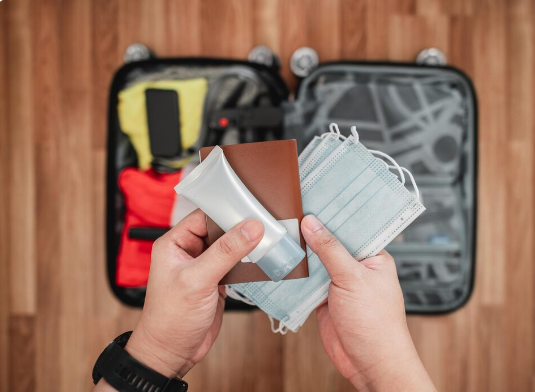
Packing toiletries for a flight can raise several questions, especially when you are trying to decide what can go into your carry-on bag. toothpaste on airplane is a common everyday item, but because it has a gel-like consistency, airport security generally treats it differently from ordinary solid products. Knowing the applicable liquid and toiletry rules can help you pack your dental-care products without unnecessary delays at security.
For travelers flying from or within the United States, toothpaste is generally permitted in both carry-on and checked baggage. The main consideration for carry-on luggage is the container size. Toothpaste is treated as a liquid or gel for security-screening purposes, so a standard carry-on container generally needs to meet the applicable 3.4-ounce (100 mL) limit.
Is Toothpaste Allowed on a Plane?
Yes, toothpaste is generally allowed when traveling by air. You can usually pack it in either your carry-on luggage or checked baggage.
The main difference is the size of the container.
If you want to keep toothpaste in your carry-on, the container should generally be 3.4 ounces (100 mL) or smaller when passing through a U.S. TSA security checkpoint. TSA’s 3-1-1 rule applies to liquids, gels, and aerosols carried into the cabin.
A larger tube can generally be packed in checked baggage.
Why Is Toothpaste Considered a Liquid?
Although toothpaste is not a liquid in the traditional sense, airport security rules commonly group toothpaste with liquids, gels, creams, and similar products.
This means that a nearly empty large toothpaste tube can still create a problem at security because the rule generally concerns the container’s capacity, rather than simply how much toothpaste remains inside.
For this reason, travelers should choose a properly sized travel tube instead of relying on an almost-empty full-size container.
Carrying Toothpaste in Your Carry-On Bag
A carry-on is often the most convenient place for toothpaste, especially when you are traveling without checked luggage.
Under the TSA’s standard 3-1-1 rule, liquids, gels, and aerosols in carry-on luggage must generally be in containers of 3.4 ounces (100 mL) or less. They must fit into a single quart-size, clear, resealable plastic bag, with one such bag generally permitted per passenger.
What Size Toothpaste Should You Bring?
For a simple airport experience, choose toothpaste labeled:
- 1 ounce
- 1.5 ounces
- 2 ounces
- 2.5 ounces
- 3 ounces
- 3.4 ounces or 100 mL
A smaller tube is usually easier to pack because it leaves room for other toiletries in your liquids bag.
What About a 4-Ounce Tube?
A 4-ounce tube is larger than the standard 3.4-ounce carry-on limit, even if only a small amount of toothpaste remains inside.
Therefore, it is better to put a full-size tube over the applicable carry-on limit into checked baggage rather than trying to take it through the security checkpoint.
Can You Put Toothpaste in Checked Luggage?
Yes. Toothpaste can generally be packed in checked baggage.
Checked luggage does not use the same TSA 3.4-ounce carry-on container rule for ordinary toothpaste. This makes checked baggage a practical option if you prefer a large family-size tube or want to pack multiple full-size toiletries.
However, airlines can have their own baggage restrictions, and travelers should always check the requirements for their specific airline and itinerary. The FAA also recommends checking airline requirements because individual carriers can impose additional restrictions.
How to Pack Toothpaste in Checked Baggage
To prevent a messy suitcase:
- Tighten the toothpaste cap securely.
- Place the tube in a toiletry bag.
- Consider putting it inside a resealable plastic bag.
- Keep it away from clothing that could be damaged if the tube leaks.
- Avoid packing severely damaged or punctured containers.
This is especially helpful when traveling with multiple toiletries.
Carry-On vs. Checked Baggage
The right choice depends on the size of your toothpaste tube and your travel needs.
| Factor | Carry-On | Checked Bag |
|---|---|---|
| Toothpaste allowed | Yes | Yes |
| Standard U.S. security size | 3.4 oz / 100 mL or less | Larger sizes generally possible |
| Liquids bag | Yes | No standard 3-1-1 bag requirement |
| Convenient during travel | Very convenient | Not accessible during flight |
| Best for | Small travel-size tubes | Full-size tubes |
| Security screening | Must follow TSA rules | Subject to baggage screening |
If you are traveling with only a carry-on, purchasing a travel-size tube is usually the simplest solution.
What Is the 3-1-1 Rule?
The 3-1-1 rule is one of the most important carry-on packing guidelines for travelers departing from U.S. airports.
It generally means:
- 3.4 ounces: Each liquid, gel, or aerosol container should be 3.4 ounces (100 mL) or less.
- 1 quart-size bag: These containers should fit in one clear, quart-size, resealable plastic bag.
- 1 bag per passenger: Each passenger generally gets one liquids bag.
TSA specifically includes liquids, gels, and aerosols in this requirement.
Toothpaste falls into the category of products that travelers should pack according to these restrictions when carrying it through the security checkpoint.
Does Toothpaste Need to Go in a Clear Bag?
If you are carrying toothpaste through a U.S. TSA checkpoint, the safest approach is to place it in your quart-size liquids bag along with your other applicable toiletries.
Depending on the airport and screening procedures, travelers may be instructed to remove the liquids bag from their carry-on for screening.
Keeping toothpaste with your other travel-size toiletries makes the process more organized.
Other Items That May Share the Bag
Your liquids bag may also contain appropriately sized products such as:
- Shampoo
- Conditioner
- Face wash
- Liquid foundation
- Lotion
- Shaving cream
- Gel
- Sunscreen
- Liquid soap
- Mouthwash
Each applicable container must meet the relevant size requirement.
Can You Bring an Electric Toothbrush?
Yes, electric toothbrushes are generally suitable for air travel. The rules can depend on the type and configuration of the battery, particularly for devices containing lithium batteries.
For ordinary small personal electronic devices, travelers should follow the airline and FAA requirements for battery-powered equipment. The FAA notes that airline, TSA, and international rules can sometimes be more restrictive than general federal requirements.
If your toothbrush has a removable spare battery, power cell, or unusual rechargeable battery, check the applicable battery rules before packing.
What About Toothpaste Tablets?
Toothpaste tablets can be an attractive option for travelers who want to reduce the number of liquids they carry.
Because they are solid tablets rather than conventional toothpaste gel, they may avoid some of the practical issues associated with liquid toiletries. However, travelers should still consider how the product is packaged and how security officers classify it.
For travelers who prefer a minimalist packing setup, toothpaste tablets can be useful for:
- Backpacking trips
- Business travel
- Short weekend trips
- Carry-on-only travel
- International travel
- Trips with limited toiletry space
They can also reduce the risk of toothpaste leaking inside a liquids bag.
Can You Bring Multiple Toothpaste Tubes?
You can generally travel with multiple personal-care products, but carry-on liquids and gels must comply with the applicable security limits.
If you want to carry several toothpaste tubes in your cabin bag, each applicable container should meet the 3.4-ounce/100 mL limit and fit within your permitted liquids bag.
For larger quantities, checked baggage may be more practical.
Travelers should also consider whether they actually need multiple tubes. For a short trip, one small tube is often enough.
Can You Bring Mouthwash With Toothpaste?
Yes, mouthwash is generally permitted, but unlike toothpaste, it is clearly a liquid.
If you place mouthwash in your carry-on, its container generally needs to be 3.4 ounces (100 mL) or smaller under the standard U.S. carry-on liquids rule.
A larger bottle should generally go into checked baggage.
The same principle applies to many other dental-care products, including certain liquid dental rinses and gels.
What About Toothpaste for Children?
Children’s toothpaste is generally subject to the same basic carry-on liquid and gel considerations.
If you are traveling with a child, consider packing a small tube designed specifically for travel.
A smaller tube can:
- Save space
- Fit more easily into the liquids bag
- Reduce waste
- Make security screening simpler
Parents traveling with young children should also check whether any special security exceptions apply to other child-related items on their specific itinerary.
Tips for Packing Dental Products
A little organization can make your trip easier.
Choose Travel-Size Products
A small toothpaste tube is usually the easiest option for carry-on travelers.
Rather than carrying a full-size tube that may exceed the security limit, purchase a travel-size version before your trip.
Keep Toiletries Together
Store toothpaste with your other toiletries.
A transparent toiletry pouch or quart-size liquids bag can help you quickly identify what you are carrying.
Protect Against Leaks
Even a properly closed toothpaste tube can become messy if the cap is damaged.
Consider placing toothpaste and other toiletries inside a secondary resealable bag.
Check the Label
Before packing, look at the amount printed on the container. Do not assume that a tube is small enough simply because it looks small.
Check Your Airline
Airlines may have additional baggage requirements, especially concerning the number, size, and weight of bags. The FAA recommends checking with your airline before travel.
Common Toothpaste Packing Mistakes
Travelers often run into problems because of a few simple mistakes.
Bringing a Full-Size Tube in a Carry-On
A large tube can exceed the carry-on security limit even when it contains only a little toothpaste.
Forgetting the Liquids Bag
Travelers sometimes pack individual toiletries throughout their carry-on. Keeping applicable liquids and gels together makes screening easier.
Confusing Tube Size With Amount Remaining
A half-empty large tube does not necessarily qualify simply because there is less toothpaste inside it.
The container itself is an important consideration.
Packing Too Many Toiletries
A large collection of shampoo, lotion, toothpaste, mouthwash, creams, and gels can quickly fill the available liquids-bag space.
Choose smaller products whenever possible.
International Travel Considerations
The exact security requirements can vary depending on the country and airport.
Many international airports use rules similar to the 100 mL standard, but travelers should not assume that every airport follows exactly the same procedure.
If you are traveling internationally, check:
- Your departure airport
- Your airline
- Connecting airports
- Your destination country’s requirements
This is particularly important if you have a connecting flight where you must pass through security again.
How to Make Airport Screening Easier
If you are carrying toothpaste in your cabin bag, preparation can save time.
Before leaving for the airport:
- Check the tube size.
- Put applicable liquids and gels into the appropriate clear bag.
- Keep the bag easy to access.
- Avoid carrying unnecessary full-size toiletries.
- Check current airline baggage requirements.
- Be prepared to follow instructions from security officers.
TSA’s travel guidance recommends keeping the liquids bag accessible for screening.
Key Points to Remember
- Toothpaste is generally allowed on airplanes.
- Toothpaste is treated as a gel for U.S. carry-on security purposes.
- A carry-on toothpaste container should generally be 3.4 ounces (100 mL) or less.
- Applicable liquids and gels should fit within the standard quart-size liquids bag.
- Larger toothpaste tubes can generally be placed in checked baggage.
- A nearly empty large tube can still exceed the carry-on container-size requirement.
- Travel-size toothpaste is usually the easiest choice for carry-on-only trips.
- Toothpaste tablets can be an alternative for travelers who want to reduce liquids.
- Airline and international requirements can vary.
- Checking the latest requirements before traveling can help prevent delays.
Final Thoughts
Toothpaste is one of the easiest toiletries to take on a flight when you understand the basic packing rules. For U.S. carry-on travel, the most important point is that toothpaste is treated as a gel and should generally be in a container of 3.4 ounces (100 mL) or less at the security checkpoint.
If you prefer to bring a full-size tube, placing it in checked baggage is generally the more practical option. For carry-on-only travel, a small travel-size tube can save space and make security screening much simpler.
The best approach is to check your toothpaste container before leaving home, keep applicable toiletries organized, and review the rules for your particular airline and destination. A few minutes of preparation can help you avoid unnecessary delays and keep your travel routine comfortable.
FAQs
1. Can I bring toothpaste in my carry-on bag?
Yes. Toothpaste is generally allowed in carry-on baggage, but at U.S. TSA security checkpoints it should generally be in a container of 3.4 ounces (100 mL) or less and follow the applicable liquids rule.
2. Can I bring a full-size toothpaste tube on a plane?
You can generally pack a full-size tube in checked baggage. If you want to carry it through a U.S. security checkpoint in your carry-on, the container generally needs to be 3.4 ounces (100 mL) or smaller.
3. Does toothpaste have to be in the liquids bag?
For U.S. carry-on travel, toothpaste should be treated as a gel and packed according to the applicable TSA liquids requirements. Keeping it in the quart-size liquids bag is the safest approach.
4. Can I bring more than one toothpaste tube?
Generally, yes, provided the products comply with applicable carry-on liquids and baggage requirements. Multiple small tubes still need to fit within the permitted liquids-bag space when carried through a U.S. security checkpoint.
5. Is toothpaste allowed in checked luggage?
Yes. Ordinary personal toothpaste can generally be packed in checked baggage. For best results, close the tube securely and place it inside a toiletry or resealable bag to prevent leaks.

One thought on “Toothpaste on Airplane: Complete Guide to Carrying Toothpaste While Flying”