Can I Take Toothpaste on a Plane? Complete Travel Packing Guide
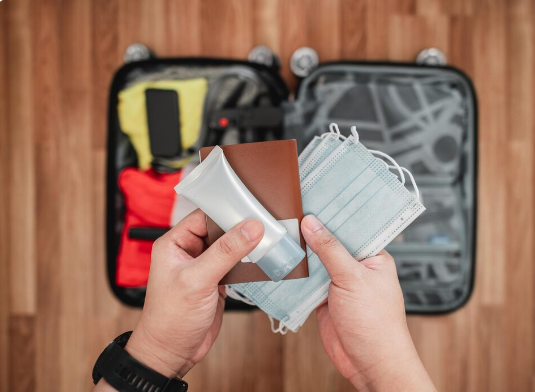
If you are preparing for a flight, you may wonder, can i take toothpaste on a plane without having it confiscated at airport security? The good news is that toothpaste is generally allowed when packed correctly. However, because toothpaste is treated as a gel or paste for many airport security purposes, the amount you can carry in your cabin baggage may be restricted. Understanding the size rules, packing methods, and differences between carry-on and checked baggage can help you get through security more smoothly.
Is Toothpaste Allowed on an Airplane?
Yes, toothpaste can generally be taken on an airplane. The important issue is not whether toothpaste is permitted, but where you pack it and how much you carry.
For passengers going through U.S. TSA security, toothpaste carried in cabin baggage falls under the liquids, gels, and aerosols restrictions. TSA guidance states that carry-on liquids, gels, and aerosols must generally be in containers of 3.4 ounces or less and fit within the applicable clear, resealable bag.
This means a small travel-size tube is usually the easiest option for your carry-on bag.
If you have a large tube that you do not need during the flight, putting it in checked luggage can be more convenient.
Why Is Toothpaste Treated Like a Liquid?
Toothpaste may look like a solid product, but airport security rules often categorize it with liquids and gels because it is a spreadable or semi-liquid personal-care product.
This is why simply saying that toothpaste is not technically a liquid does not necessarily mean that you can carry a large tube through security.
The security rule focuses on the physical characteristics of the product rather than how people normally describe it.
Similar products that may be subject to liquid or gel restrictions include:
- Toothpaste
- Hair gel
- Shaving cream
- Face creams
- Moisturizers
- Liquid foundation
- Shampoo
- Conditioner
- Sunscreen
- Mouthwash
Understanding this distinction can prevent problems at the security checkpoint.
How Much Toothpaste Can You Take in Carry-On Luggage?
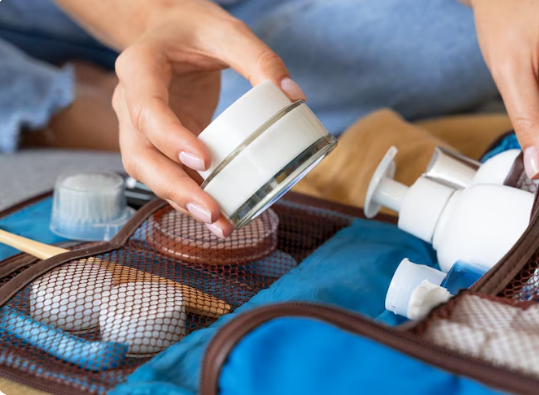
For flights departing from airports that apply the U.S. TSA 3-1-1 system, the safest approach is to carry toothpaste in a container of 3.4 ounces (100 ml) or less. The TSA travel checklist specifies that carry-on liquids, gels, and aerosols must meet the 3.4-ounce-per-container requirement and fit in the designated clear bag.
It is important to remember that the size of the container matters. A partially filled large tube may still be a problem if the container itself exceeds the permitted size.
For example, a 150 ml tube containing only a small amount of toothpaste may still not meet the standard carry-on container requirement.
Simple Toothpaste Packing Guide
| Toothpaste Type | Carry-On | Checked Bag | Best Choice |
|---|---|---|---|
| Travel-size tube under 100 ml | Generally allowed | Yes | Carry-on |
| Large tube over 100 ml | Generally restricted at security | Generally allowed | Checked bag |
| Multiple small tubes | Subject to liquid/gel bag limits | Yes | Carry-on if space permits |
| Solid toothpaste tablets | May have different treatment | Yes | Check current airport rules |
| Partially filled large tube | Container size can still matter | Yes | Checked bag |
Always check the security rules for your departure airport because requirements can differ between countries and airports.
Can You Put Toothpaste in Your Carry-On Bag?
Yes. A small toothpaste tube is often the most convenient option if you want to brush your teeth while traveling.
If you are carrying toothpaste through a U.S. TSA checkpoint, place the appropriately sized tube with your other regulated liquids, gels, and aerosols.
Keeping these products together can make your bag easier to organize and can help you remove the appropriate items if security screening requires additional inspection.
A practical travel toiletry bag might contain:
- Travel-size toothpaste
- Toothbrush
- Small shampoo bottle
- Small conditioner bottle
- Face wash
- Moisturizer
- Sunscreen
- Deodorant
- Shaving products
Keeping everything organized in a transparent or easily accessible toiletry bag can save time during security screening.
Can You Put a Large Toothpaste Tube in Checked Luggage?
A larger tube is generally more practical in checked luggage because the strict carry-on liquids restrictions do not apply in the same way.
The FAA permits many personal toiletry articles in both carry-on and checked baggage, although quantity and other restrictions can apply to certain products.
For an ordinary tube of toothpaste, the main concern is usually airport security screening rather than an aviation hazardous-material restriction.
If you are checking a bag, place the toothpaste inside a sealed toiletry bag or plastic pouch. This helps protect your clothes in case the tube leaks or opens during baggage handling.
What Is the Best Toothpaste Size for Travel?
A travel-size tube is usually the most convenient option for air travel.
A smaller tube gives you several advantages:
- It takes up less space.
- It is easier to fit within carry-on toiletry restrictions.
- It reduces the chance of carrying more product than you need.
- It is convenient for short trips.
- It can be placed with other travel toiletries.
For a weekend trip, a small tube may be sufficient. For longer trips, you can carry an additional appropriately sized tube if permitted under the applicable liquids restrictions.
Another option is to purchase toothpaste after reaching your destination. This can be useful if you prefer a particular brand but do not want to carry a large tube through airport security.
How to Pack Toothpaste Without Making a Mess
Toothpaste can create an unpleasant mess if the cap opens or the tube is squeezed inside your luggage.
A few simple precautions can help.
First, make sure the cap is tightly closed. If the tube has a flip-top cap, check that it has fully clicked into place.
Second, place the tube inside a small resealable plastic bag. This provides an additional layer of protection.
Third, avoid placing heavy objects directly on top of the tube. Pressure from shoes, electronics, or other packed items can squeeze toothpaste out.
If you are carrying several toiletries, place them together in one organized toiletry pouch.
Can You Take a Toothbrush on a Plane?
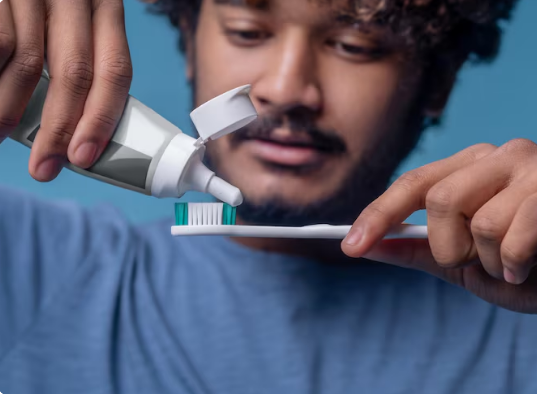
Yes. A normal toothbrush is generally an easy item to pack in either carry-on or checked baggage.
A toothbrush does not have the same liquid or gel restrictions as toothpaste.
Electric toothbrushes can also generally be carried, but travelers should consider the type of battery and the airline’s applicable baggage rules when packing battery-powered devices.
For a simple trip, placing your toothbrush and toothpaste together in your toiletry bag is one of the easiest ways to avoid forgetting either item.
Can You Brush Your Teeth During a Flight?
Whether you can brush your teeth during a flight depends on the airline, aircraft facilities, and circumstances.
Some long-haul flights provide bathrooms where passengers can freshen up. You should follow the airline’s instructions and avoid creating a mess in the lavatory.
If you are carrying toothpaste specifically for use during the journey, choose a small tube and keep it accessible.
You may also want to pack:
- Toothbrush
- Small toothpaste tube
- Dental floss
- Breath freshener
- Facial wipes
- Lip balm
These items can be useful during long journeys, particularly when traveling overnight.
Toothpaste for International Flights
International travel requires additional attention because different countries and airports may have their own security procedures.
The basic idea is often similar: liquids, gels, and pastes in cabin baggage may be subject to quantity restrictions.
However, you should not automatically assume that the exact same rules apply everywhere.
For example, a traveler departing from one country may encounter different screening procedures from a traveler departing from another. The FAA advises international travelers to follow applicable security and baggage requirements and to check the rules relevant to their journey.
If your itinerary includes multiple airports, consider checking the requirements for your departure airport and any airports where you will pass through security again.
What Happens If Your Toothpaste Is Too Large?
If a large toothpaste tube does not comply with the applicable carry-on security requirements, security personnel may require you to remove it from your cabin baggage.
Depending on the airport and circumstances, you may have to discard the item or make another arrangement.
This is why checking the size of your toiletries before leaving home is worthwhile.
Do not assume that because there is only a small amount left inside a large tube, the item will automatically be accepted. Container size can be important.
Packing a travel-size tube is usually a much simpler solution.
Toothpaste Tablets as a Travel Alternative
Some travelers use toothpaste tablets as an alternative to traditional paste.
These products are designed to reduce the amount of paste or gel carried during travel. Because they have a different physical form, their treatment at security can differ from traditional toothpaste.
However, travelers should still check the current rules at their departure airport rather than assuming that every solid or tablet-based dental product will be treated identically.
If you already use toothpaste tablets at home, they can be a convenient option for lightweight travel.
How to Pack a Complete Dental Kit
A compact dental kit can make travel much easier.
For a short trip, you might pack:
- Travel-size toothpaste
- Toothbrush
- Dental floss
- Small mouthwash if needed
- Toothbrush cover
- Small resealable pouch
For longer travel, you may want additional supplies, especially if you are visiting an area where your preferred dental products may be difficult to find.
A toothbrush cover is particularly useful because it keeps the brush separated from other items in your luggage.
Common Toothpaste Packing Mistakes
One of the most common mistakes is packing a full-size tube in a carry-on bag without checking its container size.
Another mistake is assuming that a partially used large tube will automatically qualify because it contains less product.
Travelers may also forget that toothpaste is handled as a paste or gel during security screening.
Other mistakes include:
- Leaving toiletries loose inside a suitcase
- Packing leaking tubes without protection
- Forgetting toothpaste completely
- Carrying unnecessary large quantities
- Failing to check the rules for the departure airport
- Assuming every country’s security requirements are identical
A few minutes of preparation can prevent unnecessary delays.
Tips for Stress-Free Airport Security
The easiest way to make the process smoother is to prepare your toiletries before arriving at the airport.
Check the size of every liquid, gel, and paste container. Put the appropriate items together in an accessible bag.
Keep your toothpaste easy to remove if screening procedures require it.
If you are unsure about a particular product, check the current airport or security authority guidance before traveling. The FAA also recommends checking applicable airline and security guidance because individual airline rules can sometimes be more restrictive.
Quick Packing Checklist
| Item | Recommended Approach |
|---|---|
| Toothpaste | Use a travel-size tube for carry-on |
| Toothbrush | Carry in a protective cover |
| Dental floss | Pack with dental supplies |
| Mouthwash | Use a compliant travel-size container |
| Large toothpaste | Put in checked luggage when appropriate |
| Toiletry bag | Keep products organized |
| Spare toiletries | Check size and quantity before packing |
Key Points to Remember
- Toothpaste is generally allowed on airplanes.
- For carry-on travel under U.S. TSA rules, toothpaste is treated as a paste or gel and is subject to the applicable liquids restrictions.
- A container of 3.4 ounces or 100 ml or less is the safest choice for a carry-on.
- A large tube can be more appropriate for checked luggage.
- The size of the container matters, even if the tube is only partially full.
- Keep toothpaste inside a secure toiletry bag.
- Protect your clothes from possible leaks.
- Toothbrushes can be packed with your dental supplies.
- International airports may have different procedures.
- Check the rules for your departure airport before traveling.
- Airline policies can sometimes be more restrictive than general aviation guidance.
Final Thoughts
Toothpaste is a normal travel toiletry, and there is generally no need to leave it at home simply because you are flying. The main thing to remember is that toothpaste can be treated as a paste or gel during security screening, meaning the amount you carry in your cabin baggage may be limited.
For a simple and convenient trip, choose a travel-size tube that complies with the applicable carry-on liquid and gel restrictions. Keep it with your other toiletries and protect it from leaks. If you want to bring a larger tube, checked baggage may be the more practical option.
Because airport security procedures can vary by country and may change over time, checking the current rules for your departure airport before packing is always a sensible final step.
Frequently Asked Questions
1. Can I bring toothpaste in my carry-on bag?
Yes. Toothpaste can generally be carried in cabin baggage, but it may be subject to liquids, gels, and paste restrictions. For U.S. TSA screening, a container of 3.4 ounces or 100 ml or less is the safest choice.
2. Does toothpaste count as a liquid at airport security?
Toothpaste is generally treated as a gel or paste for airport security purposes. This means it can be subject to the same type of quantity restrictions that apply to other liquids and gels in carry-on luggage.
3. Can I bring a full-size toothpaste tube in checked luggage?
A larger tube is generally more suitable for checked luggage than carry-on baggage. Place it inside a sealed toiletry bag to protect clothing and other belongings from leaks.
4. Can I bring toothpaste on an international flight?
Yes, but international airports can have different security requirements. Check the rules for the airport where you begin your journey and any airports where you will need to pass through security again.
5. What size toothpaste should I buy for air travel?
A travel-size tube of 100 ml or less is a convenient option for carry-on travel when the applicable airport follows the U.S. 3-1-1-style restriction. A smaller tube also saves space and is easier to pack with other toiletries.

One thought on “Can I Take Toothpaste on a Plane? Complete Travel Packing Guide”