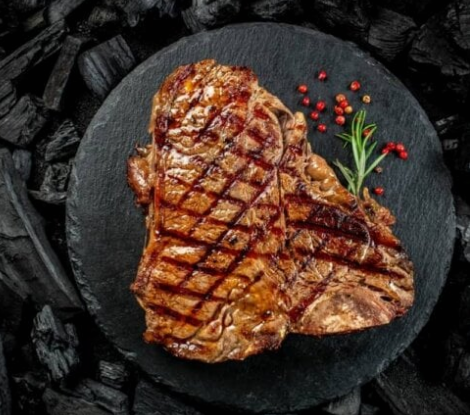
How to Cook T Bone Steak in Oven: A Complete Step by Step Guide
Cooking a thick steak at home can produce a restaurant-style meal when the right technique is used. The T-bone steak is especially appealing because it contains two different cuts of beef separated by a distinctive T-shaped bone. Learning how to cook t bone steak in oven can help you achieve a deeply browned exterior while keeping the center tender and juicy. With a few basic ingredients, a heavy oven-safe skillet, and careful temperature control, you can prepare an impressive steak without complicated equipment.
The key to a good oven-cooked T-bone is controlling the heat and avoiding overcooking. A combination of stovetop searing and oven finishing is particularly effective for thicker steaks because it creates a flavorful crust while allowing the interior to cook evenly.
Choosing the Right T-Bone Steak
The quality and thickness of the steak can significantly affect the final result. Look for a T-bone with a good amount of marbling, which refers to the small streaks of fat distributed throughout the meat. Marbling can contribute to tenderness, moisture, and flavor.
A steak that is relatively thick is often easier to cook to a desirable level of doneness than an extremely thin steak. A thicker cut gives you more control over developing a browned exterior without immediately overcooking the center.
The meat should have a fresh appearance and should be stored properly until you are ready to cook it. If purchasing packaged steak, check the packaging and use-by information carefully.
Ingredients You Need
A simple T-bone steak does not require a long list of ingredients. You can prepare it with:
T-bone steak
Salt
Black pepper
A high-heat cooking oil
Butter
Garlic
Fresh rosemary or thyme
The herbs and garlic are optional, but they can add additional aroma and flavor during the final cooking stage.
Prepare the Steak Before Cooking
Take the steak out of the refrigerator before cooking and allow it to sit for a short period while you prepare the other ingredients. Avoid leaving raw meat at room temperature for extended periods.
Pat the surface of the steak thoroughly dry with paper towels. Removing excess moisture helps the meat develop a better sear because surface moisture can interfere with browning.
Season both sides generously with salt and freshly ground black pepper. Make sure the seasoning reaches the edges as well as the main surfaces.
Preheat the Oven
Preheat the oven to a high temperature suitable for finishing a steak. Around 400 to 450 degrees Fahrenheit is commonly used, depending on the cooking method and the thickness of the steak.
The exact oven temperature is less important than monitoring the internal temperature of the meat. Different ovens can vary considerably, so a reliable instant-read thermometer is one of the most useful tools for cooking steak accurately.
If you are using a cast-iron skillet, place it on the stovetop while the oven is heating so that it can become very hot before the steak is added.
Sear the T-Bone Steak
Place a heavy oven-safe skillet over high heat and allow it to become very hot. Add a small amount of high-heat cooking oil.
Carefully place the seasoned steak into the skillet. You should hear an immediate sizzling sound. Allow the steak to sear without constantly moving it.
Cook the first side until a deep brown crust develops. Then turn the steak and sear the second side.
Do not press down on the steak with a spatula. Pressing can force juices out of the meat without improving the crust.
You can also briefly hold the steak on its edges to brown the fat around the outside, particularly if the steak has a substantial fat edge.
Add Butter and Aromatics
Once the steak has developed a good crust, add a small amount of butter along with crushed garlic and fresh herbs such as rosemary or thyme.
As the butter melts, carefully spoon it over the steak. This technique adds richness and allows the aromas from the garlic and herbs to coat the surface.
Because butter can burn at very high temperatures, it is generally better to add it after the initial high-heat searing rather than using it as the primary cooking fat from the beginning.
Finish the Steak in the Oven
Transfer the oven-safe skillet and steak into the preheated oven. The steak will continue cooking from the outside toward the center.
The cooking time will depend on the steak’s thickness, starting temperature, oven temperature, and desired doneness. Instead of relying entirely on a fixed number of minutes, begin checking the internal temperature after several minutes.
An instant-read thermometer inserted into the thickest part of the steak can provide a much more reliable indication of doneness.
Be careful to avoid touching the bone when taking the temperature because the reading may not accurately represent the temperature of the meat.
Understanding Steak Doneness
Different people prefer different levels of doneness. Internal temperature is a useful way to control the result.
For rare steak, the center remains very red and the internal temperature is lower. Medium-rare has a warm red to pink center, while medium has a more pronounced pink center. Medium-well has only a small amount of pink, and well-done steak is cooked throughout.
Because the steak continues cooking after being removed from the oven, it is usually helpful to take it out slightly before it reaches the final temperature you want.
For food safety, follow current food-safety guidance appropriate to the meat and your circumstances rather than relying solely on color.
Why Resting the Steak Matters
After removing the steak from the oven, place it on a clean plate or board and let it rest for several minutes.
Resting gives the meat time to settle after cooking and allows the internal heat to continue distributing through the steak. Cutting immediately into a very hot steak can result in more juices escaping onto the plate.
The exact resting time depends on the steak’s size, but a few minutes is generally useful for a thick cut.
How to Slice a T-Bone Steak
The T-shaped bone divides the steak into two sections. One side contains the strip portion, while the smaller section is the tenderloin.
After resting, you can cut the meat away from the bone and then slice it into pieces across the grain. Cutting across the grain shortens the muscle fibers and can make the meat feel more tender when eaten.
You can also serve the steak whole with the bone still attached, allowing diners to cut portions themselves.
Common Mistakes to Avoid
One of the most common mistakes is cooking the steak without properly drying the surface. Excess moisture can make it harder to achieve a deep crust.
Another mistake is using a cold skillet. A properly heated pan is important for rapid browning.
Overcrowding the skillet can also reduce the temperature and interfere with searing. If you are cooking multiple steaks, use a sufficiently large pan or cook them separately.
Cutting into the steak repeatedly to check doneness can release juices and make it difficult to judge the cooking process. A thermometer is a better option.
Finally, do not skip the resting stage. Allowing the steak to rest can improve the final eating experience.
What to Serve With T-Bone Steak
T-bone steak pairs well with a wide variety of side dishes. Classic options include roasted potatoes, mashed potatoes, baked potatoes, green beans, asparagus, sautéed mushrooms, and roasted vegetables.
For a lighter meal, serve the steak with a crisp salad and grilled or steamed vegetables.
Sauces are optional because a well-seasoned steak can stand on its own. However, garlic butter, pepper sauce, chimichurri, or a simple pan sauce can add a different flavor profile.
How to Make the Method More Consistent
Consistency comes from controlling the variables that you can measure. Use steaks of similar thickness, dry them thoroughly, season them consistently, preheat the skillet properly, and monitor internal temperature.
Keeping notes about your preferred cooking time can also help. Your oven, pan, steak thickness, and preferred doneness all affect the result, so your own kitchen experience can become a useful reference for future meals.
An instant-read thermometer is particularly valuable because it allows you to adjust cooking time based on the actual temperature rather than guessing.
Oven-Only Versus Sear-and-Oven Cooking
A T-bone can technically be cooked entirely in the oven, but searing first provides an important advantage. The direct contact with a very hot skillet creates stronger browning on the surface.
The sear-and-oven method is especially useful for thick steaks because the stovetop provides intense surface heat while the oven provides more even surrounding heat.
If you prefer an oven-only approach, you can roast the steak and finish it under a broiler to develop additional browning. However, careful monitoring is essential because broiler heat can cook the surface very quickly.
Food Safety Considerations
Raw beef should be handled carefully to reduce the risk of cross-contamination. Use clean utensils and surfaces, keep raw meat separate from ready-to-eat foods, and wash hands thoroughly after handling it.
Do not reuse a plate or utensils that have held raw steak for cooked food unless they have been properly washed.
Use a food thermometer when you need precise control over internal temperature, and follow reliable food-safety recommendations for the level of doneness appropriate to your situation.
Final Thoughts
Learning how to cook t bone steak in oven is mainly about controlling heat, developing a strong crust, monitoring internal temperature, and giving the steak enough time to rest before serving. A simple combination of salt, pepper, high-heat searing, butter, garlic, and herbs can create a flavorful result without requiring complicated ingredients. Choosing a well-marbled steak, drying the surface before cooking, using an oven-safe skillet, and relying on an instant-read thermometer can make the process much more predictable. Once you understand how your particular oven and skillet behave, you can adjust the technique to consistently prepare T-bone steaks to your preferred level of doneness.
FAQs
1. What temperature should I cook a T-bone steak in the oven?
A high oven temperature, commonly around 400 to 450 degrees Fahrenheit, can work well for finishing a steak after searing. The ideal temperature and cooking time depend on steak thickness and the desired level of doneness.
2. Should I sear a T-bone steak before putting it in the oven?
Searing first is a popular method because it creates a deeply browned crust. The oven can then finish cooking the center more evenly, particularly when the steak is thick.
3. How do I know when my T-bone steak is done?
An instant-read meat thermometer is the most reliable way to monitor doneness. Measure the thickest part of the meat while avoiding direct contact with the bone.
4. How long should a T-bone steak rest after cooking?
A thick steak generally benefits from resting for several minutes before slicing. This gives the internal heat time to distribute and helps reduce the amount of juice lost when the steak is cut.
5. Can I cook a T-bone steak without a cast-iron skillet?
Yes. Any suitable heavy, oven-safe skillet that can withstand high heat can be used. A heavy pan is useful because it retains heat well and supports effective searing.

One thought on “How to Cook T Bone Steak in Oven: A Complete Step by Step Guide”