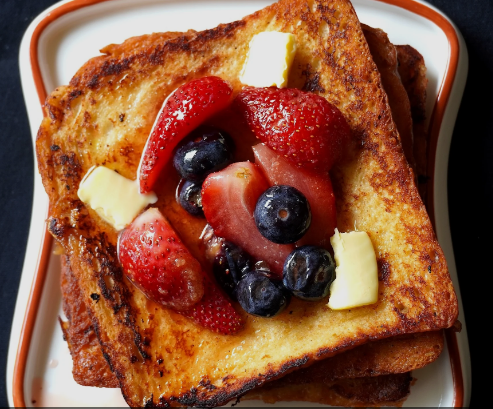
Custard French Toast: A Rich and Delicious Breakfast Guide
Breakfast classic French toast gets an upgrade with a rich, egg-based mixture that makes it more tender, creamy, and flavorful. In this custard french toast, thick slices of bread are combined with a smooth blend of eggs, milk, sweetener and warm spices and cooked to a beautiful golden. The end result is a breakfast that is slightly crispy on the outside, soft in the center, like a custard. It’s easy enough for a weekday morning but special enough for a weekend brunch, a family gathering or a holiday breakfast.
What’s the Difference That Makes Custard French Toast Special?
Traditional French toast is already based on an egg/milk blend, but a custard-style preparation places more emphasis on the richness and texture of that blend. The aim is to let the bread soak up enough custard to become soft and flavorful but still hold its shape.
Eggs add structure through cooking, and milk/cream adds moisture and richness. Spices like vanilla, cinnamon, nutmeg, etc. can add depth. A little sugar adds some sweetness, but also helps to give the outside of the bread a golden color.
Bread is equally important. Custard-style French toast is better with thicker, sturdier slices that can soak up the liquid better and don’t fall apart.
Selecting the Appropriate Bread
The type of bread you use can make a big difference in the final outcome. Soft, thin sandwich bread might be good for a quick breakfast, but thicker breads tend to have better texture.
Brioche is a popular choice, as it is naturally rich and slightly sweet. Challah is a good choice too as it’s got a nice structure that stands up to custard. French bread and sourdough can also yield great results, especially if they are a little stale.
Using day-old bread can actually be a plus. Fresh bread has more moisture and can be saturated quickly. A little stale bread will soak up more of the custard and stay together better.
If the bread is very fresh, you can leave the slices uncovered for a little while before starting to make the dish. This helps to firm them up a little.
Ingredients You Need for Custard
It’s a simple custard mixture with just a few ingredients. The base is made up of eggs and milk, and the rest of the ingredients add sweetness and flavor.
Common ingredients include:
- Eggs
- Whole milk
- Heavy cream or half-and-half
- Sugar
- Vanilla extract
- Cinnamon
- Nutmeg
- Salt
Not all recipes use cream. You can achieve a creamy result with just whole milk or you can enrich the custard by adding a little cream.
A pinch of salt might seem like nothing, but it balances the sweetness, and makes other flavors pop out. The vanilla gives it a nice aroma, while the cinnamon and nutmeg give it that classic warmth.
How to Make the Custard
Beat the eggs in a large bowl or shallow dish. Make sure the yolks and whites are well mixed.
Stir in the milk, cream (if using), sugar, vanilla, cinnamon, nutmeg and salt. Combine all ingredients and beat until smooth.
The aim is to get a consistent custard. If the eggs are not mixed properly some of the bread will have uneven patches when cooking.
A shallow dish is usefull for it makes it easier to dip the bread. Ensure the slot is wide enough to hold the slices without forcing or bending them.
For an ultra-smooth mixture, strain the custard through a fine mesh sieve. This step is optional, but it can take away little bits of egg or spice.
How Long to Soak Bread?
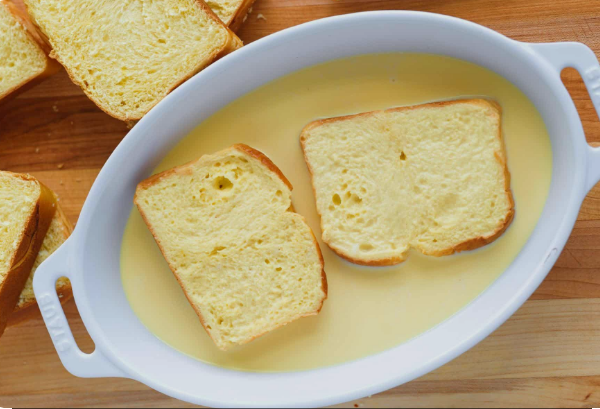
The soaking time depends on the bread type and thickness. Thick slices of hearty bread tend to last longer than thin slices.
You want the bread to soak up enough of the custard to become moist all the way through, but not so much that it falls apart.
Dip a slice into the custard and let one side soak up the mixture. Turn it gently and coat the other side. Take care not to push the bread too firmly into the liquid, or you may crush delicate bits.
If you are using very thick bread you may allow a little more time for the custard to reach the center. Thin breads may require only a light coat.
The perfect slice should be moist, but still firm enough to move to the cooking surface.
Setting Up the Cooking Surface
French toast can be cooked in a skillet, griddle or heavy frying pan. Place the pan over medium to medium-low heat.
When the pan is warm add a little butter. Butter adds flavor and to help create the golden crust that is the hallmark of French toast.
The pan should be hot enough to slowly brown the bread, but not so hot that the outside burns before the inside is cooked.
If the butter turns dark almost immediately, the pan is too hot. Reduce heat before adding the next slice.
How to Make Custard French Toast –
Gently place the coated bread on the heated pan. Leave enough room between slices to turn them easily.
Cook until the bottom is golden brown. This can take several minutes depending on the thickness of the bread and the temperature of the pan.
Turn the bread over gently and cook the other side.
The center should be soft and tender, not runny. The eggs in the custard have to be cooked through.
If the outside browns too fast, turn the heat down. Slightly lower temperature allows the inside to cook without burning the outside.
When done, transfer the slices to a plate or wire rack. Don’t stack a lot of pieces on top of each other right away; the steam trapped inside will soften the browned exterior.
How to Achieve That Creamy Center
That creamy middle is what makes custard-style French toast a classic. There’s a couple of things that go into it.
Use thick bread first. This gives it enough room to brown on the outside while staying soft in the center.
Second, make sure the ratio of eggs to liquid in the custard is right. Too many eggs will give a firm, eggy texture, too much milk will make the mixture runny.
Third, regulate the cooking temperature. High heat will brown the outside before the custard has set.
Finally, let the French toast cool for a minute or two before serving. This allows for some settling inside.
Flavor Variations
Once you’ve got the basic recipe down, it’s easy to play around with different flavors.
Cinnamon and vanilla make a classic combo, but nutmeg can add an extra layer of warmth. Cardamom is more aromatic so you can use it for breakfast.
For a citrus variation, add a little orange or lemon zest to the custard. The bright citrus scent can cut through the richness of the eggs and dairy products.
If you want a deeper sweetness, you can add some maple syrup to the mix, but you might want to cut back on other sweeteners.
If you want a holiday version, add ginger, cloves or a small amount of mixed warming spices.
Chocolate lovers can stir in a little cocoa powder (be sure to whisk it in well to avoid lumps).
Best Suggestions
The toppings can totally change the look and taste of the French toast.
Maple syrup is a classic, and powdered sugar has a lighter sweetness. Fresh berries bring a touch of acidity and freshness, while sliced bananas naturally complement the richness of the toast.
Crunch of chopped walnuts or pecans. The nut butter adds an extra layer of richness and helps make the meal more filling.
Add whipped cream and fresh fruit and this can be a dessert-like breakfast for special occasions.
Dustings of cinnamon or powdered sugar are an easy finishing touch for something simple.
Making French Toast for the family
Organization is important when you are making breakfast for a few people Make the custard first and have the pan on the stove ready and the bread handy.
Cook the slices in batches (do not crowd the skillet). Too many slices will lower the temperature and hinder browning.
Use a low temperature oven to keep finished pieces warm while the other slices cook. If possible, spread them out in a single layer so they don’t get too soft.
Have the toppings laid out in advance so everyone can help themselves as soon as the toast is ready.
A griddle is helpful for cooking multiple slices at once, especially when entertaining larger groups.
Common Errors to Avoid
One of the biggest mistakes is choosing bread that’s too thin. The thin slices soak up fast and can tear when you put them in the pan.
Another is soaking the bread too much. Better French toast is not always the result of soaking longer. The bread should soak up the custard, but not get soggy.
Too high a heat can also cause problems in cooking. The outside may look done before the inside is cooked.
Too much sugar in the custard can cause it to brown too much, particularly when combined with the butter.
If the eggs are not whisked properly, the texture can be uneven.
And last but not least, do not cut or serve the toast right after taking it out of the pan. A brief resting period can improve the texture.
Can You Make Custard French Toast Ahead Of Time
Fresh French toast is the best, but you can do a bit of prep work in advance.
You can prepare the custard ahead of time and refrigerate it until ready to use. You could also pre-slice bread and pre-arrange it.
For busy mornings, prepping your ingredients the nite before can really speed up cooking.
You can also store cooked French toast in the fridge and reheat it. A skillet, toaster oven or regular oven will bring back some of the crisp on the outside.
If using a microwave, heat carefully, as over-microwaving can make the bread soft and chewy.
Leftovers – Storage and Freezing
Let any leftover French toast cool before storing. Put the pieces in an airtight container and refrigerate.
You can freeze individual slices for longer storage. Separate with parchment paper so they do not stick together.
Frozen French toast can be reheated straight from frozen or thawed first. Toaster oven or oven is especially useful for restoring the surface texture.
Store syrup, fruit, whipped cream, and other toppings separately so they don’t make the bread soggy.
Key Points to Remember
A successful custard-style French toast depends on good bread, a balanced custard, and controlled cooking.
- Use thick and sturdy bread.
- Slightly stale bread often absorbs custard especially well.
- Whisk eggs thoroughly.
- Use whole milk for a rich base.
- Add cream for an even more luxurious texture.
- Balance sweetness with a small amount of salt.
- Avoid oversoaking delicate bread.
- Cook over medium or medium-low heat.
- Turn the bread carefully.
- Allow the center to cook completely.
- Avoid overcrowding the cooking surface.
- Serve with toppings immediately after cooking.
- Store leftovers without wet toppings.
- Reheat gently to preserve texture.
Tips for Making Better French Toast Every Time
Paying attention to the details makes for consistency. Use bread slices that are similar in thickness so they cook at about the same rate.
Be sure to measure the ingredients for the custard very carefully, especially if you are making the recipe for the first time. If you know the texture you want you can adjust the mixture to suit yourself.
Don’t cook on high heat. Keep the heat moderate and watch the color. Different pans and different kinds of bread will cook at different rates.
Once you have the basics of preparation down, experiment with toppings. You can mix and match fresh berries, bananas, nuts, yogurt, nut butter and maple syrup.
To serve it restaurant style, arrange the French toast nicely on a plate and top with fresh fruit, a light dusting of powdered sugar and a little bit of syrup.
Last Words
Rich custard turns humble bread into a show-stopping breakfast, custardy in the middle and golden-brown on the outside. The key is to balance the eggs, milk, sweetness and flavorings, and pick a bread that can absorb the mixture without falling apart. Custard French Toast is great for easy weekday breakfasts and indulgent weekend brunches, and can be easily customized with spices, fruit, nuts and all the toppings. The timing of the soak and the heat of the cooking give you a consistently tender and flavorful French toast at home.
Frequently Asked Questions
1. What type of bread is best for custard French toast?
Brioche, challah, French bread, and sourdough are excellent options. Thick slices are generally preferable because they can absorb more custard without becoming too fragile.
2. Can I use cream instead of milk?
Yes. Cream can be used for part of the milk to create a richer custard. Using only cream may produce an especially heavy result, so many recipes combine milk and cream.
3. Why does my French toast fall apart?
The bread may have absorbed too much custard, or it may be too soft and thin. Using sturdy bread and controlling the soaking time can help prevent it from breaking.
4. Can I prepare the custard the night before?
Yes. The custard can generally be mixed in advance and refrigerated. Give it a quick whisk before using it to ensure the ingredients remain evenly distributed.
5. How do I keep French toast crispy?
Cook it over moderate heat until both sides are golden brown and avoid stacking freshly cooked pieces for long periods. Serving it immediately also provides the best exterior texture.

One thought on “Custard French Toast: A Rich and Delicious Breakfast Guide”