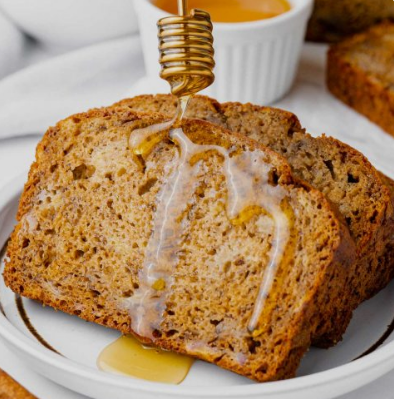
Gluten and Dairy Free Banana Bread: A Simple Guide to Delicious Baking
Banana bread is one of those comforting homemade treats that can turn a few overripe bananas into something soft and fragrant and satisfying. Even if you are avoiding gluten or dairy and traditional banana bread recipes might need a few ingredient changes, it’s still very simple to make a delicious loaf. With careful ingredient selection, gluten and dairy free banana bread can have the same moist texture, natural sweetness and warm banana taste as a traditional recipe. This style of recipe has lots of flexibility if you are baking for dietary preferences or food sensitivities or you just want to try a different version of a classic favorite.
Why Make Gluten and Dairy Free Banana Bread
There are plenty of reasons why someone might choose to make gluten-free or dairy-free banana bread. Some people opt for a gluten-free eating pattern because of celiac disease, gluten sensitivity or personal preference. Some others do not eat dairy because of lactose intolerance, allergies, dietary choices or simply because they like to play with plant-based ingredients.
You don’t have to sacrifice the qualities that make banana bread so delicious by eliminating gluten and dairy. Bananas are naturally moist, sweet and have structure. You can substitute regular wheat flour with gluten-free flours and use plant-based milk and neutral cooking oils in place of dairy products.
The trick is knowing what each ingredient does to the final loaf. Getting the right amount of moisture, flour, fat and leavening ingredients will help you create a banana bread that is tender but not heavy or crumbly.
Choosing the Right Bananas
Bananas are one of the most important things in any banana bread recipe. The best bananas to use are overripe ones, with lots of brown or dark spots on the peel. As bananas ripen, their starches gradually break down and their natural sweetness becomes more apparent.
Very ripe bananas have a lot of moisture as well, which adds to the softness of the finished bread. If your bananas are still mostly yellow and firm, you may not get as much banana flavor or natural sweetness in the bread.
Three medium ripe bananas are usually enough for a regular loaf but the size of the bananas can make a difference. Mash the bananas well with a fork or potato masher. Little pieces are fine, they can create pockets of intense banana flavor throughout the loaf.
Selecting Gluten-Free Flour
Choosing the right flour is particularly important when making banana bread without wheat. Gluten normally helps baked goods develop structure and elasticity. Since gluten-free recipes do not have this protein, the flour blend needs to provide enough structure on its own.
A commercially prepared gluten-free all-purpose baking blend can be a convenient choice. Many blends combine ingredients such as rice flour, tapioca starch, potato starch, or other gluten-free flours to create a texture closer to conventional baking flour.
Some gluten-free flour blends already contain xanthan gum, while others do not. Xanthan gum can help bind ingredients and improve the texture of gluten-free baked goods. Always check the flour blend’s ingredient information and follow the package guidance when deciding whether additional binding ingredients are needed.
It is also important to use certified gluten-free ingredients when baking for someone with celiac disease, particularly because cross-contact can occur during food preparation.
Replacing Dairy Ingredients
Traditional banana bread recipes may contain butter, milk, or other dairy ingredients. Fortunately, these can be replaced with several alternatives.
A neutral vegetable oil is one of the easiest substitutes for butter. Oil can contribute moisture and tenderness without adding dairy. Coconut oil can also work, although it may add a subtle coconut flavor depending on the product used.
For recipes that call for milk, unsweetened almond milk, oat milk, soy milk, coconut milk, or another suitable dairy-free beverage can often be used. The best option depends on the desired flavor and texture.
If using plant-based milk, an unsweetened variety is usually preferable because it allows you to control the sweetness of the recipe. Always check the label if the bread needs to be completely dairy-free, as some specialty products may contain milk-derived ingredients.
Essential Ingredients
A simple dairy-free and gluten-free banana bread can be made with relatively common ingredients. The basic combination generally includes ripe bananas, gluten-free flour, a leavening agent, eggs if desired, a dairy-free fat, sweetener, and flavoring ingredients.
A typical ingredient list may include:
- Very ripe bananas
- Gluten-free all-purpose flour
- Baking soda or baking powder
- Eggs
- Neutral cooking oil
- Dairy-free milk
- Brown sugar or another sweetener
- Vanilla extract
- Cinnamon
- A small amount of salt
Optional additions can include chopped walnuts, pecans, dairy-free chocolate chips, shredded coconut, raisins, or warming spices.
The exact quantities can be adjusted depending on the flour blend and desired texture. Gluten-free baking often benefits from following a tested ratio because different flour blends absorb moisture differently.
How to Prepare the Batter
Preheat oven and grease the loaf pan. Grease the pan or line with parchment paper, which will make it much easier to get the finished bread out.
In a large bowl, mash the ripe bananas. Add the wet ingredients and stir until fairly well combined. In a second bowl, mix together the gluten-free flour, baking soda or baking powder, salt and spices.
Add the dry mixture to the wet ingredients gradually. Gently stir until there are no large pockets of dry flour. Don’t overmix because it can give a dense texture, although gluten-free batter acts differently than traditional wheat-based dough.
If using nuts or dairy-free chocolate chips, add toward the end. Leaving a bit for the top can also make the finished loaf more attractive.
The batter should usually be thick but spoonable. If it looks a little dry add a splash of the dairy free milk. If too thin you may have to add more flour.
Baking the Banana Bread
Pour the prepared batter into the loaf pan and spread it evenly. The pan should not be filled all the way to the top because the bread needs room to rise during baking.
Bake according to the recipe’s recommended temperature and timing. Oven performance varies, so visual appearance alone should not determine when the loaf is finished.
A toothpick inserted into the center is one of the easiest ways to check doneness. It should come out mostly clean, although a few moist crumbs are acceptable. If wet batter sticks to the toothpick, the loaf needs additional baking time.
The top should become golden brown, and the center should feel set rather than liquid or unusually soft.
After removing the loaf from the oven, allow it to cool in the pan for several minutes. Then transfer it to a cooling rack. Cutting into the bread while it is extremely hot can cause the center to appear gummy or fall apart.
How to Keep the Bread Moist
Moisture is one of the biggest factors in successful banana bread. Ripe bananas naturally contribute a significant amount, but the remaining ingredients also matter.
Avoid adding excessive flour because this can make the loaf dry and crumbly. Measuring flour accurately is particularly important when using gluten-free blends.
Oil can also help maintain a tender texture. If using eggs, they can contribute structure and moisture as well.
Another useful tip is to avoid overbaking. Even a few extra minutes can make a noticeable difference in a moist loaf. Start checking the bread toward the earlier part of the recommended baking range.
Once cooled, store the bread in an airtight container. This helps prevent moisture from escaping and keeps the loaf pleasant for several days.
Delicious Add-Ins and Flavor Variations
And the best part about banana bread? It’s super easy to customize. Once you have a good base recipe you can create different versions without changing the basic way of preparing.
Walnuts and pecans add a nice crunch and go well with banana naturally. For a more dessert-like loaf, use dairy-free chocolate chips. Cinnamon is warming, but nutmeg or cardamom can add a more distinctive flavor.
For a fruitier version, add dried cranberries or raisins as well. Shredded coconut gives it a tropical note, and a bit of orange zest livens the overall flavor.
You can also make a simple breakfast-style version by reducing the added sugar and letting the ripe bananas provide the sweetness.
Common Mistakes to Avoid
One common mistake is using bananas that are not ripe enough. The result may have less banana flavor and may require more added sugar.
Another issue is using a gluten-free flour blend without considering its composition. Different blends behave differently, so switching between brands can change the texture.
Overmixing can also affect the final result. Stir only until the ingredients are combined.
Using too much liquid can make the center gummy, while too little moisture can produce a dry loaf. This is why measuring ingredients carefully is especially useful in gluten-free baking.
Finally, avoid slicing the bread immediately after removing it from the oven. Giving it time to cool allows the internal structure to stabilize.
Serving Suggestions
Fresh banana bread can be served in many ways. A warm slice is delicious on its own, but you can also pair it with dairy-free spreads, nut butter, fresh fruit, or a drizzle of maple syrup.
For breakfast, serve a slice alongside coffee, tea, or a smoothie. For an afternoon snack, lightly warm the bread and add a little dairy-free spread.
It can also become a simple dessert when served with dairy-free ice cream or fresh berries. If you have leftovers, lightly toasting slices can give them a pleasant texture and bring out the banana flavor.
Storing and Freezing Banana Bread
Proper storage preserves the texture and flavor of homemade banana bread. When the loaf has cooled completely, put it in an airtight container or wrap each slice tightly.
It can normally stay delicious for several days at room temperature depending on the ingredients and the conditions under which it is stored. If your kitchen is especially warm, you might want to chill it.
Banana bread freezes well as well. Slice the loaf before you freeze it, so you can take out single portions as needed. Wrap each slice or group of slices well and place in a freezer-safe container.
Bring to room temperature or warm slightly before serving a slice.
Key Points to Remember
The most important factors for successful gluten-free and dairy-free banana bread are ingredient selection, moisture balance, and baking time.
- Use very ripe bananas for stronger flavor and natural sweetness.
- Choose a reliable gluten-free flour blend.
- Check whether your flour blend already contains a binding ingredient.
- Replace butter with a suitable dairy-free fat.
- Use unsweetened dairy-free milk when needed.
- Avoid adding excessive flour.
- Mix the batter only until the ingredients are combined.
- Check the center before removing the loaf from the oven.
- Allow the bread to cool before slicing.
- Store leftovers in an airtight container.
- Freeze individual slices for convenient future servings.
Tips for Better Results Every Time
Always use bananas that are equally ripe to get consistent results each time you make the recipe. Bananas are very wet, so if you bake a lot it might be worth it to weigh your mashed bananas to get more consistency.
Also use the same size loaf pan each time. Different pans may give different depths of batter and therefore different baking times.
If you’re making the bread for someone with celiac disease or a serious gluten intolerance, be careful to avoid cross-contact. Make sure the surfaces you prepare food on, utensils, bowls and baking equipment are clean and free of crumbs or residue containing gluten.
Finally, once you have mastered the basic recipe, feel free to experiment. You can make banana bread with different spices, nuts, fruits and dairy free ingredients.
Final Thoughts
A delicious loaf that is gluten and dairy free is an easy way to enjoy a homemade classic with a nod to dietary restrictions. If you have ripe bananas, a dependable gluten free flour blend, dairy free ingredients that perform, and you bake with care, the outcome is soft, flavorful and satisfying. Gluten and dairy free banana bread is also super easy to adapt and great for breakfast, snacks, get togethers or a simple home made dessert. Once you get a feel for how the ingredients work together, you can feel free to adjust the flavors and add-ins to make a loaf that you like.
Frequently Asked Questions
1. Can banana bread be made completely gluten-free and dairy-free?
Yes. Banana bread can be prepared without wheat-based flour or dairy ingredients. Use a suitable gluten-free flour blend and replace butter or milk with appropriate dairy-free alternatives.
2. What flour is best for gluten-free banana bread?
A gluten-free all-purpose baking blend is often a convenient option because it is formulated for general baking. Different blends have different ingredient combinations, so follow the package recommendations when possible.
3. Why is my gluten-free banana bread gummy?
A gummy center can result from excess moisture, insufficient baking time, too much banana, or cutting the bread before it has cooled. Make sure the center is properly baked and allow the loaf to cool before slicing.
4. Can I add chocolate chips to dairy-free banana bread?
Yes. Choose chocolate chips that are specifically free from dairy ingredients if you need the finished bread to remain completely dairy-free. Nuts, dried fruit, and spices are also popular additions.
5. How should I store homemade banana bread?
After the loaf has cooled completely, store it in an airtight container. For longer storage, slice the bread and freeze individual portions in suitable freezer-safe packaging.
One thought on “Gluten and Dairy Free Banana Bread: A Simple Guide to Delicious Baking”