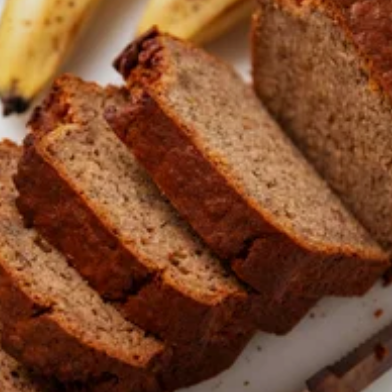
Julia’s Best Banana Bread: A Delicious Guide to Making Perfect Banana Bread
Banana bread is one of those homely comforts that can take a few sad bananas and turn them into something warm, fragrant and satisfying. A good banana bread should be moist in the middle, tender in the crumb, full of banana flavor, and lightly golden on top. Julia’s Best Banana Bread is a favorite style of banana bread among home bakers who are looking for a dependable and tasty recipe. Whether you are a seasoned baker or trying banana bread for the first time, knowing the ingredients, method of preparation, baking temperature and common mistakes can help you get better results.
The beauty of banana bread is in its simplicity. Most recipes call for common ingredients, such as ripe bananas, flour, eggs, butter or oil, sugar and a leavening ingredient. Add other desired ingredients such as cinnamon, vanilla, nuts or chocolate chips. The quality of bananas is very important because very ripe bananas will give stronger sweetness, moisture and natural banana flavor.
Why Ripe Bananas Matter
The bananas you use can make a huge difference to the final product. You can use yellow bananas that are still fresh, but they usually won’t be as sweet and full of flavor as ones with lots of brown or black spots.
As bananas ripen, starches gradually convert to sugars. This yields a softer texture and sweeter flavor, which is why overripe bananas are wonderful for baking.
If you have super soft bananas with dark spots, they are perfect for banana bread. They should be free of any signs of spoilage or mold still.
When you have overripe bananas, peel, place in an airtight container or freezer-safe bag and freeze for future baking. Thawed bananas may add some extra liquid, but that extra moisture can be good for banana bread.
Essential Ingredients
You need the right mix of ingredients to make a successful banana bread. Exact amounts vary by recipe, but the basic ingredients generally are ripe bananas, flour, sugar, eggs, butter or other fat, baking soda or baking powder, salt, and vanilla.
Flour provides the structure of the loaf to hold together. Often all-purpose flour is used because it gives a tender but stable texture.
Sugar adds sweetness, and can also help with browning and moisture. Very ripe bananas are already pretty sweet, so you can adjust the amount of sugar you add according to the recipe and your taste.
Butter adds richness and flavor, and oil can add a particularly moist texture to the cake. Eggs bind ingredients together and add structure.
The vanilla and/or cinnamon are optional flavorings that will not overpower the banana flavor.
Preparing the Batter
One of the most important rules of making banana breads is to not overmix the batter. Adding the flour, if you over-mix it can develop gluten and make the loaf dense or chewy.
Mash up the ripe bananas until they’re pretty smooth. A few small pieces are good, because they add texture and little bits of banana taste.
Combine separate wet ingredients when appropriate. This can be bananas, melted butter, eggs and vanilla.
In a separate bowl, combine the dry ingredients. Mixing the leavening agent and salt separately with the flour helps distribute them throughout the flour.
Add dry ingredients to wet mixture and stir gently until flour is just incorporated. It’s generally better to have a few small streaks or lumps than to beat the batter vigorously until it’s perfectly smooth.
Choosing the Right Baking Pan
The type of baking pan can affect how quickly banana bread bakes. The average person uses a regular loaf pan, but different sizes will give you different results.
A smaller or narrower pan may produce a taller loaf that takes longer to bake through. A larger pan can make a shorter loaf and it will cook faster.
If possible, use the pan size specified in the recipe for consistent results. It can help make the finished loaf easier to remove if you grease the pan or lay parchment paper on the bottom.
Do not fill the pan too much, the batter needs some space to rise while baking.
Baking the Banana Bread
It is important to preheat the oven. Putting banana bread in an oven that is not at the proper temperature will affect the rise, the texture and the baking time.
Put the prepared pan in the middle section of the oven to allow heat to circulate evenly around it. Baking time varies depending on pan, oven, amount of batter used and moisture content of bananas.
The outside of the loaf should be golden brown while the inside continues to cook. To test for doneness, insert a toothpick or thin skewer into the center. If it comes out wet with batter on it, the loaf needs more time. Generally a few moist crumbs are acceptable.
Don’t judge solely by the color of the crust. Banana bread can look fully baked on the outside, but be undercooked in the center.
How to Keep Banana Bread Moist
Good banana bread is all about moisture. There are a few reasons for this.
First of all, use ripened bananas. Second, Properly measure the flour. If you put in too much flour, your loaf will be dry.
Don’t bake bread too long. A few extra minutes can make all the difference, especially in a smaller loaf.
also, letting the finished bread cool properly helps its texture settle. Cutting it when it is extremely hot can make the center seem gummy or cause the loaf to break apart.
Once it is cool, store banana bread in an airtight container to help keep it moist.
Adding Nuts, Chocolate, and Other Ingredients
There is plenty of room for customization with banana bread. Chopped walnuts and pecans are popular choices because they add a nice textural contrast to the soft crumb.
The chocolate chips give the bread a sweetness and richness. Dark, milk or semisweet chocolate all have their own flavor notes.
You can also add some cinnamon, nutmeg or a small amount of other warm spices for added depth.
Dried fruit is also a good option, but don’t add so much that the other ingredients overpower the banana flavor.
If you’re adding nuts or chocolate chips, make sure to sprinkle them throughout the batter and not just in one spot.
Common Banana Bread Mistakes
One common mistake is using bananas that are not ripe enough. The resulting loaf may lack the strong banana flavor people expect.
Another mistake is overmixing. Once the flour has been incorporated, continued stirring can make the finished bread dense.
Using an inaccurate amount of flour is another problem. Scooping flour directly from a container can sometimes result in too much flour being packed into the measuring cup. Measuring carefully helps produce more consistent results.
Overbaking can also lead to dryness. Start checking the loaf toward the end of the recommended baking period rather than automatically leaving it in the oven for significantly longer.
Finally, cutting the bread too soon can make it difficult to achieve clean slices.
Serving Banana Bread
Banana bread can be enjoyed warm, at room temperature or toasted. A simple slice is tasty on its own, but a few additions can make it even more enjoyable.
Butter is a classic . The banana flavor also pairs nicely with peanut butter, almond butter, cream cheese or a light spread.
Banana bread is a great breakfast, with fruit, yogurt, coffee or tea. It can also be served as an afternoon snack or a casual dessert.
For a more indulgent dessert, warm a slice and serve with a scoop of ice cream or other topping.
Storing and Freezing Banana Bread
Proper storage helps keep the texture and flavor of the bread. Place the loaf or slices in an airtight container when completely cool.
When conditions are right , it is generally convenient for short-term storage at room temperature . Refrigeration can extend the storage life, but will produce a firmer loaf, so returning refrigerated slices to room temperature may improve the texture.
Banana bread also freezes well. If you want to thaw individual portions, slice the loaf before freezing it. Wrap the slices up tightly and put them in a freezer-safe container or bag.
When ready to eat, thaw the amount you want and warm slightly if desired.
Key Points to Remember
- Use very ripe bananas for stronger flavor and natural sweetness.
- Measure flour carefully for a consistent texture.
- Mix wet and dry ingredients appropriately.
- Avoid overmixing once flour is added.
- Preheat the oven before baking.
- Use the recommended loaf pan size.
- Check the center of the loaf for doneness.
- Avoid overbaking to preserve moisture.
- Let the loaf cool before slicing.
- Add nuts or chocolate chips according to your preference.
- Store cooled banana bread in an airtight container.
- Freeze individual slices when you want longer storage.
- Customize the loaf without overwhelming the banana flavor.
- Use accurate measurements for repeatable results.
Tips for Making Better Banana Bread Every Time
One of the easiest ways to improve your baking is with consistency. Use bananas that are similar in ripeness each time, and measure ingredients carefully.
Also, be attentive to your oven. Baking times listed in recipes are a guideline, not an absolute rule, because oven temperatures can vary.
If your banana bread always turns out dry, you might want to see if you’re adding too much flour or baking the loaf for too long. If the outside is getting really dark but the center stays wet, you might want to check your oven temperature or the pan you are using.
Make notes of what works in your kitchen. Small variations in bake time, ingredient temperatures, or pan placement can help you build a dependable process.
Final Thoughts
Making julia’s best banana bread is a rewarding way to turn simple pantry ingredients and ripe bananas into a comforting loaf of homemade goodness. The most important things are using flavorful ripe bananas, measuring ingredients carefully, not overmixing, and baking the loaf until the center is cooked through but not dry. Once you master these basics, you can easily adapt banana bread to include nuts, chocolate chips, spices, or other favorite add-ins. A well-made banana bread is a favorite among home bakers for its blend of sweetness, softness, and familiar comfort, whether for breakfast, a coffee in the afternoon, or as a homemade snack.
Frequently Asked Questions
Can I use frozen bananas for banana bread?
Yes. Frozen ripe bananas can work very well. Allow them to thaw before adding them to the batter. They may release extra liquid during thawing, so mix them thoroughly with the other wet ingredients.
Why is my banana bread dense?
Dense banana bread can result from overmixing the batter, using too much flour, insufficient leavening, or incorrect baking conditions. Mix gently after adding the flour and measure ingredients carefully.
How ripe should bananas be for banana bread?
Very ripe bananas with significant brown spotting are generally ideal. They provide stronger banana flavor, natural sweetness, and moisture compared with firm yellow bananas.
How do I know when banana bread is fully baked?
Insert a toothpick or thin skewer into the center of the loaf. It should come out without wet batter. A few moist crumbs can be normal. The top should also be set and appropriately browned.
How should I store homemade banana bread?
Allow the bread to cool completely and then place it in an airtight container. For longer storage, individual slices can be wrapped and frozen so they can be thawed as needed.
One thought on “Julia’s Best Banana Bread: A Delicious Guide to Making Perfect Banana Bread”