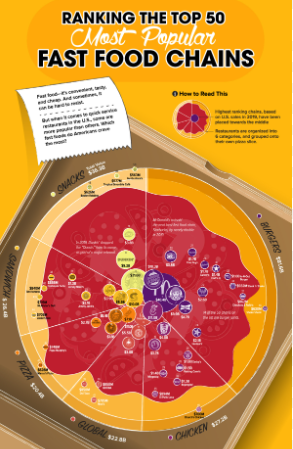
Fast Food Chains Ultimate Guide With Powerful And Amazing Insights
Fast food has become an essential part of modern dining, offering quick meals, convenient locations, and menus that appeal to millions of customers every day. Fast food chains have expanded from local restaurants into global brands, serving everything from burgers and fried chicken to tacos, pizza, sandwiches, and healthier meal options.
Today, the industry continues evolving through digital ordering, delivery services, sustainability initiatives, and menu innovation. Whether you’re looking for a quick lunch, a family dinner, or a late-night snack, understanding the world’s leading fast food chains can help you make informed dining choices.
This guide explores the history of the industry, the most popular brands, current trends, customer preferences, and what makes successful restaurant chains stand out in a competitive market.
Fast Food Chains Quick Overview
| Category | Details |
|---|---|
| Industry | Quick Service Restaurants (QSR) |
| Popular Foods | Burgers, pizza, chicken, sandwiches, tacos |
| Main Audience | Families, professionals, students, travelers |
| Dining Options | Dine-in, takeaway, drive-thru, delivery |
| Global Presence | Thousands of locations worldwide |
| Growth Drivers | Convenience, affordability, technology |
What Are Fast Food Chains
Fast food chains are restaurant businesses that operate multiple locations using standardized menus, recipes, and service methods. Their primary goal is to provide meals quickly while maintaining consistent quality across different branches.
Most quick-service restaurants focus on:
- Fast meal preparation
- Affordable pricing
- Convenient locations
- Consistent customer experience
- Efficient service
These businesses have become a major part of the global food industry because they meet the needs of busy consumers.
How Fast Food Chains Became Popular
The rapid growth of quick-service restaurants began during the twentieth century as urbanization, automobile ownership, and changing lifestyles increased demand for convenient dining options.
Several factors helped the industry expand:
- Faster food preparation
- Standardized operations
- Franchise business models
- Drive-thru services
- Affordable menu pricing
Today, global restaurant brands serve millions of customers every day across hundreds of countries.
Types Of Fast Food Chains
The industry includes many restaurant categories designed to meet different customer preferences.
Burger Restaurants
Burger-focused brands remain among the largest quick-service businesses worldwide.
Popular menu items include:
- Beef burgers
- Chicken burgers
- Fries
- Milkshakes
- Soft drinks
Fried Chicken Restaurants
Chicken-based restaurants specialize in fried chicken, grilled chicken, wraps, and family meal options.
These brands often attract customers looking for shared meals and value combinations.
Pizza Chains
Pizza restaurants provide dine-in, takeaway, and delivery services.
Common menu choices include:
- Traditional pizzas
- Specialty pizzas
- Pasta
- Garlic bread
- Desserts
Sandwich Restaurants
Sandwich-focused businesses emphasize customizable meals and fresh ingredients.
Customers often choose:
- Sub sandwiches
- Wraps
- Salads
- Soups
Mexican-Inspired Restaurants
Some quick-service brands specialize in tacos, burritos, nachos, and rice bowls inspired by Mexican cuisine.
Most Popular Fast Food Chains Worldwide
Several brands have established themselves as global leaders through consistent quality, strong branding, and international expansion.
Well-known restaurant categories include:
- Global burger brands
- International pizza companies
- Chicken restaurant chains
- Coffee shop chains
- Sandwich franchises
Each company continues competing through menu innovation and customer service improvements.
Features That Make Fast Food Chains Successful
The world’s leading restaurant companies share several common characteristics.
Consistent Quality
Customers expect similar food quality regardless of which location they visit.
Convenient Locations
Restaurants are often located near highways, shopping centers, airports, schools, and business districts.
Strong Brand Recognition
Recognizable logos, advertising campaigns, and customer loyalty programs help brands remain competitive.
Digital Ordering
Many companies now offer:
- Mobile applications
- Online ordering
- Delivery partnerships
- Contactless payments
- Loyalty rewards
Technology has become a major factor in customer convenience.
Changing Customer Preferences
Consumer expectations continue changing as health awareness and lifestyle choices evolve.
Modern customers increasingly look for:
- Fresh ingredients
- Healthier menu options
- Vegetarian meals
- Plant-based alternatives
- Lower-calorie choices
Many restaurants have expanded their menus to meet these changing demands.
Technology And Fast Food Chains
Technology has transformed nearly every part of the restaurant industry.
Important innovations include:
- Self-service kiosks
- Mobile ordering
- Artificial intelligence
- Digital payment systems
- Delivery tracking
- Personalized promotions
These improvements help restaurants serve customers more efficiently while improving the overall dining experience.
Franchise Business Model
Many fast food chains grow through franchising.
Under this system:
- Independent owners operate restaurants.
- The parent company provides branding and operational support.
- Franchise owners follow company standards.
- Customers receive a consistent experience.
Franchising has helped restaurant brands expand internationally while maintaining operational consistency.
Factors Customers Consider Before Choosing A Restaurant
Consumers evaluate several factors when selecting a quick-service restaurant.
Important considerations include:
- Food quality
- Price
- Speed of service
- Cleanliness
- Menu variety
- Customer reviews
- Location convenience
Successful restaurants continue adapting to changing customer expectations to remain competitive.
Future Trends Shaping Fast Food Chains
The restaurant industry continues changing as customer expectations, technology, and food preferences evolve. Fast food chains are investing in new ideas to improve convenience while offering better dining experiences.
Major trends include:
- Artificial intelligence for faster ordering
- Smart kitchen technology
- Mobile-first customer experiences
- Sustainable packaging
- Expanded delivery services
- Personalized loyalty programs
These innovations help restaurants improve efficiency while meeting changing consumer demands.
Sustainability And Environmental Responsibility
Many restaurant companies are introducing environmentally friendly initiatives to reduce their environmental impact.
Common sustainability efforts include:
- Recyclable packaging
- Reduced plastic use
- Energy-efficient restaurants
- Food waste reduction programs
- Responsible ingredient sourcing
Customers increasingly support businesses that demonstrate a commitment to environmental responsibility.
Healthier Menu Options
As nutrition awareness continues growing, many fast food chains have expanded their menus to include healthier alternatives.
Popular additions include:
- Fresh salads
- Grilled chicken meals
- Fruit options
- Plant-based burgers
- Low-calorie beverages
- Smaller portion choices
Offering greater variety allows restaurants to serve customers with different dietary preferences.
Delivery Services And Digital Convenience
Food delivery has become one of the fastest-growing areas of the restaurant industry.
Many brands now provide:
- Mobile ordering
- Scheduled delivery
- Real-time order tracking
- Contactless pickup
- Digital payment options
These services improve convenience for customers with busy lifestyles.
How To Choose The Right Fast Food Restaurant
Selecting the best restaurant depends on personal preferences and dining priorities.
Consider these factors before ordering:
Menu Variety
Choose restaurants that offer meals matching your dietary preferences and taste.
Food Quality
Fresh ingredients and consistent preparation often contribute to a better dining experience.
Customer Reviews
Reading recent customer feedback can provide useful information about service quality and menu items.
Value For Money
Compare portion sizes, meal combinations, and pricing before placing an order.
Convenience
Location, delivery availability, and operating hours may influence your decision.
Challenges Facing The Industry
Although the quick-service restaurant industry continues growing, companies also face several challenges.
These include:
- Rising ingredient costs
- Labor shortages
- Supply chain disruptions
- Increasing competition
- Changing consumer expectations
Successful businesses continue adapting by improving efficiency, investing in technology, and introducing innovative menu options.
Why Fast Food Chains Continue Growing
The continued success of fast food chains is driven by their ability to adapt to changing lifestyles.
Major growth factors include:
- Urbanization
- Busy work schedules
- Technology integration
- International expansion
- Menu innovation
- Strong brand recognition
These factors help quick-service restaurants remain an important part of the global food industry.
How The Marginist Covers Business And Consumer Trends
For more informative articles about business, consumer trends, technology, finance, and lifestyle topics, explore The Marginist. Our platform publishes research-based guides that explain industry developments, emerging markets, innovative companies, and changing consumer behavior.
Whether you’re interested in restaurant businesses, global brands, digital innovation, or market insights, The Marginist provides reliable content to help readers stay informed.
Final Thoughts
Fast food chains have transformed the way people enjoy convenient dining by combining speed, affordability, and menu variety. From burgers and pizza to healthier meal choices and digital ordering, the industry continues evolving to meet the needs of modern consumers.
As technology, sustainability, and customer expectations continue shaping the market, successful restaurant brands will focus on innovation while maintaining food quality and excellent customer service. Understanding these trends can help diners make better choices while appreciating how the global quick-service industry continues to grow.
Frequently Asked Questions
What are fast food chains?
Fast food chains are restaurant businesses that operate multiple locations using standardized menus, recipes, and service systems to provide meals quickly.
Why are fast food chains so popular?
They offer convenient locations, affordable prices, quick service, and consistent menu quality, making them attractive to busy customers.
What foods are commonly served at fast food restaurants?
Popular menu items include burgers, fried chicken, pizza, sandwiches, tacos, fries, salads, desserts, and beverages.
Do fast food chains offer healthy options?
Yes. Many brands now provide salads, grilled meals, fruit, plant-based items, and lower-calorie menu choices.
How has technology changed the fast food industry?
Technology has introduced online ordering, mobile apps, self-service kiosks, delivery tracking, digital payments, and AI-powered customer service.
What is a restaurant franchise?
A franchise allows independent business owners to operate restaurants using an established company’s brand, systems, and operational standards.
What trends will shape the future of fast food chains?
Future trends include AI-powered ordering, sustainable packaging, healthier menus, digital loyalty programs, automated kitchens, and expanded delivery services.


One thought on “Fast Food Chains Ultimate Guide With Powerful And Amazing Insights”