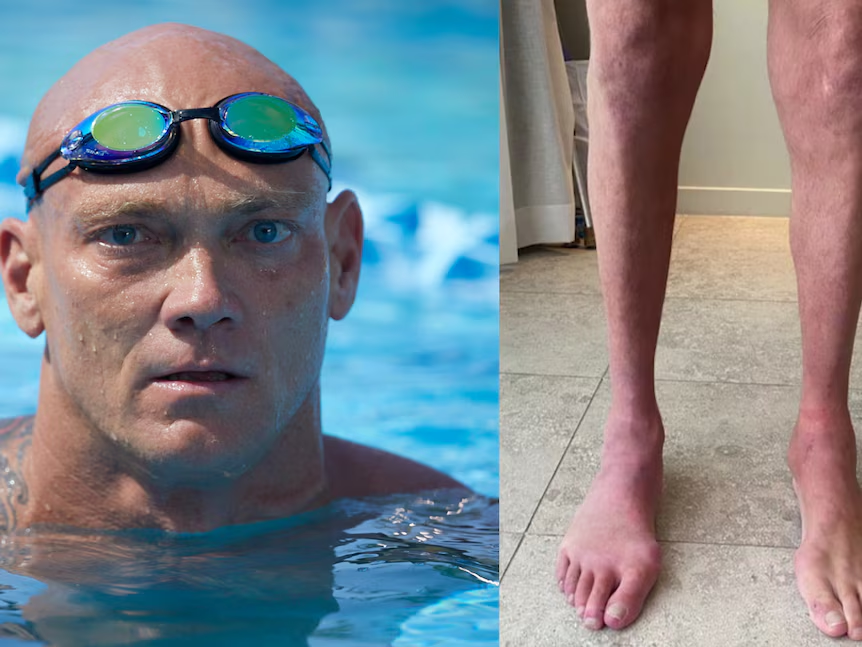
Michael Klim Illness Explained With Health Journey And Recovery
Former Olympic swimming champion Michael Klim has inspired millions through his achievements in the pool. In recent years, however, public attention has shifted from his sporting success to his courageous health journey. The topic of michael klim illness has attracted significant interest after the Australian swimming legend publicly shared his diagnosis of a rare neurological condition and the challenges he has faced during recovery.
Rather than keeping his condition private, Klim has spoken openly about his experiences, helping raise awareness of neurological disorders and encouraging others facing similar health challenges. His story is one of determination, resilience, and adapting to life beyond elite sport.
Michael Klim Illness Quick Overview
| Category | Details |
|---|---|
| Name | Michael Klim |
| Profession | Former Olympic swimmer |
| Nationality | Australian |
| Publicly Disclosed Condition | Chronic Inflammatory Demyelinating Polyneuropathy (CIDP) |
| Condition Type | Rare autoimmune neurological disorder |
| Public Focus | Recovery, rehabilitation, awareness |
Who Is Michael Klim
Before discussing michael klim illness, it is helpful to understand his sporting background.
Michael Klim is one of Australia’s most accomplished swimmers. During his international career, he represented Australia in major competitions and became known for his achievements in freestyle and butterfly events.
Career highlights include:
- Olympic medals
- World Championship success
- Commonwealth Games achievements
- Multiple national records
- International recognition
His performances established him as one of Australia’s most respected swimmers.
Understanding Michael Klim Illness
The discussion surrounding michael klim illness began after Klim publicly revealed that he had been diagnosed with Chronic Inflammatory Demyelinating Polyneuropathy (CIDP).
CIDP is considered a rare autoimmune neurological disorder that affects the peripheral nervous system.
In this condition, the body’s immune system mistakenly attacks the protective covering surrounding nerves, which may interfere with normal nerve signals between the brain and muscles.
Because CIDP can affect movement and strength, it often requires ongoing medical management and rehabilitation.
What Is CIDP
CIDP stands for Chronic Inflammatory Demyelinating Polyneuropathy.
It is generally characterized by progressive nerve damage that may develop over weeks or months.
Possible symptoms can include:
- Muscle weakness
- Reduced mobility
- Numbness
- Tingling sensations
- Balance difficulties
- Fatigue
The severity and progression may vary from person to person.
Symptoms Michael Klim Has Discussed Publicly
While individual medical experiences differ, Michael Klim has publicly spoken about several challenges associated with his diagnosis.
These have included:
- Difficulty walking
- Reduced muscle strength
- Changes in mobility
- Physical rehabilitation
- Adjusting to everyday activities
By sharing these experiences publicly, Klim has helped increase understanding of neurological conditions that many people know little about.
Diagnosis And Medical Journey
Receiving a diagnosis for rare neurological disorders is not always immediate.
Conditions like CIDP often require detailed medical evaluation because symptoms may resemble other neurological disorders.
Healthcare professionals may use:
- Physical examinations
- Neurological assessments
- Imaging studies
- Nerve conduction testing
- Additional laboratory evaluations
Accurate diagnosis is important because treatment approaches depend on identifying the underlying condition.
Treatment Approaches For CIDP
Although michael klim illness has drawn public attention, treatment decisions are individualized and determined by healthcare professionals.
Management of CIDP may involve:
- Immune-modifying therapies
- Rehabilitation programs
- Physical therapy
- Occupational therapy
- Mobility support
- Ongoing medical monitoring
The goal is often to improve function, reduce symptoms, and maintain independence.
Rehabilitation And Recovery
Recovery from neurological conditions frequently requires long-term commitment.
Rehabilitation may focus on:
- Improving muscle strength
- Increasing flexibility
- Restoring balance
- Supporting mobility
- Maintaining independence
Progress often occurs gradually, requiring patience and consistent effort.
Michael Klim has publicly discussed the importance of rehabilitation in helping him adapt to changes caused by his condition.
Mental Strength During Recovery
Physical recovery is only one part of managing long-term illness.
Many individuals also face emotional challenges, including:
- Uncertainty
- Lifestyle adjustments
- Loss of physical abilities
- Stress during treatment
Maintaining a positive mindset and seeking support from family, friends, and healthcare professionals can play an important role throughout recovery.
Raising Public Awareness
One reason michael klim illness continues to receive attention is Klim’s willingness to discuss his diagnosis openly.
Public figures who share personal health experiences can:
- Increase awareness
- Encourage early medical evaluation
- Reduce stigma
- Support patient communities
- Promote understanding of rare conditions
His openness has helped many people learn about CIDP for the first time.
Inspiration Beyond Competitive Swimming
Michael Klim’s legacy extends beyond medals and sporting achievements.
His determination to face health challenges publicly demonstrates qualities that inspired fans throughout his swimming career:
- Resilience
- Courage
- Adaptability
- Optimism
- Commitment
These qualities continue to define his journey long after leaving elite competition.
Life After Diagnosis
A diagnosis of a long-term neurological condition can significantly change everyday life. For many people living with CIDP, daily routines may require adjustments while they continue treatment and rehabilitation.
Following his diagnosis, Michael Klim has spoken publicly about adapting to changes in mobility and learning to approach recovery one step at a time. His experience highlights the importance of patience and realistic expectations during rehabilitation.
The Importance Of Physical Rehabilitation
Physical rehabilitation is often a key part of managing neurological conditions that affect movement and muscle strength.
Rehabilitation programs may include:
- Strength-building exercises
- Balance training
- Flexibility work
- Mobility improvement
- Functional movement practice
- Personalized therapy sessions
The specific rehabilitation plan depends on each individual’s medical condition and is designed by healthcare professionals.
Living With A Rare Neurological Disorder
Rare conditions such as CIDP can present unique challenges because many people have never heard of them before diagnosis.
Common difficulties may include:
- Understanding symptoms
- Finding specialist care
- Managing long-term treatment
- Maintaining daily independence
- Coping with emotional stress
Support from healthcare providers, family members, and patient communities can make a meaningful difference throughout the recovery journey.
Michael Klim’s Message Of Resilience
One of the most inspiring aspects of michael klim illness is the positive attitude he has demonstrated while discussing his health publicly.
Rather than allowing his diagnosis to define him, he has focused on:
- Continuing rehabilitation
- Staying active where possible
- Raising awareness
- Sharing honest experiences
- Encouraging others facing health challenges
His openness reminds many people that resilience is not only demonstrated through athletic achievements but also through perseverance during difficult personal circumstances.
Raising Awareness About CIDP
Public discussions surrounding michael klim illness have helped introduce more people to Chronic Inflammatory Demyelinating Polyneuropathy.
Greater awareness can encourage:
- Earlier recognition of symptoms
- Better understanding of neurological disorders
- Increased empathy for patients
- More informed conversations about rare diseases
Although CIDP is uncommon, education helps reduce misconceptions and supports those living with the condition.
Supporting Overall Health During Recovery
While treatment plans vary for every individual, many people recovering from neurological illnesses benefit from maintaining healthy lifestyle habits alongside professional medical care.
General wellness practices may include:
- Following medical advice
- Eating a balanced diet
- Staying hydrated
- Prioritizing quality sleep
- Participating in approved physical activity
- Managing stress effectively
These habits support overall health but should never replace individualized medical treatment.
Explore More Health Stories With TheMarginist
Looking for more health and wellness insights beyond michael klim illness? TheMarginist publishes informative articles covering health news, public figures, lifestyle, wellness, business, technology, and current events. Explore more resources related to michael klim illness to better understand important medical topics, inspiring personal journeys, and developments that shape public conversations.
TheMarginist is committed to delivering accurate, balanced, and easy-to-understand content that helps readers stay informed through trusted reporting and responsible health discussions.
Final Thoughts
The story behind michael klim illness is about much more than a medical diagnosis. It reflects determination, resilience, and the willingness to face significant life changes with honesty and courage.
By publicly sharing his experience with Chronic Inflammatory Demyelinating Polyneuropathy (CIDP), Michael Klim has helped raise awareness of a rare neurological condition while inspiring others who may be facing similar health challenges. His journey demonstrates that recovery is often a gradual process requiring medical care, rehabilitation, patience, and strong personal support.
Frequently Asked Questions
What illness does Michael Klim have?
Michael Klim has publicly disclosed that he was diagnosed with Chronic Inflammatory Demyelinating Polyneuropathy (CIDP), a rare autoimmune neurological disorder.
What is CIDP?
CIDP is a rare condition in which the immune system attacks the protective covering of peripheral nerves, affecting muscle strength, sensation, and mobility.
What symptoms has Michael Klim discussed?
Michael Klim has publicly spoken about experiencing muscle weakness, mobility difficulties, and challenges with walking as part of his condition.
Is CIDP treatable?
CIDP can often be managed with appropriate medical treatment and rehabilitation. Treatment plans vary depending on the individual and should be guided by healthcare professionals.
Why did Michael Klim share his diagnosis publicly?
He has chosen to speak openly about his experience to increase awareness of CIDP and encourage understanding of rare neurological disorders.
Is Michael Klim still involved in public life?
Yes. While focusing on his health and rehabilitation, Michael Klim continues to participate in public discussions and share updates about his journey.
What can people learn from Michael Klim’s story?
His journey highlights the importance of resilience, early medical care, rehabilitation, and maintaining hope while managing long-term health challenges.