honeycrisp apple pie: A Complete Guide to Making a Delicious Homemade Pie
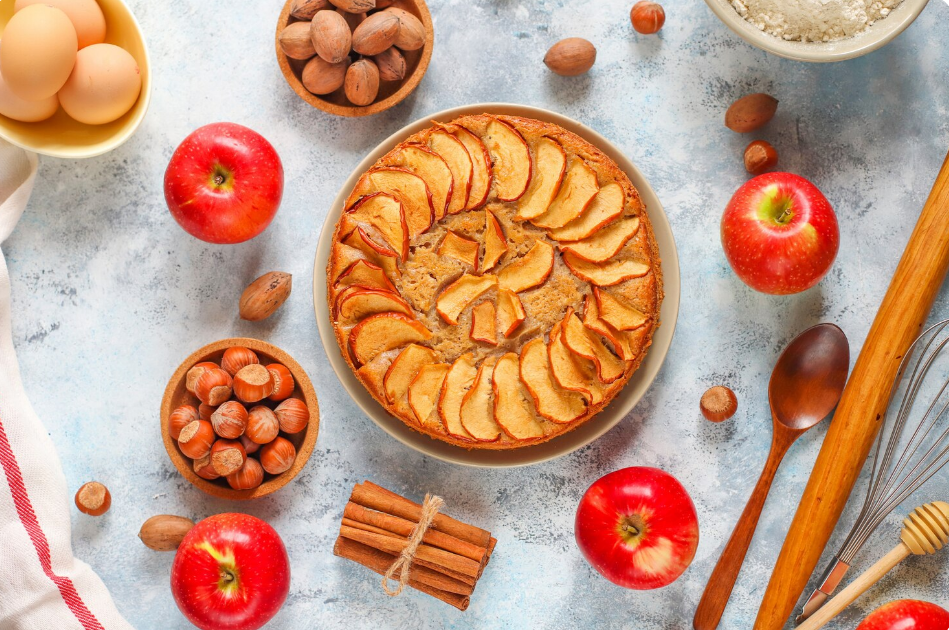
Few desserts combine a buttery crust, warm spices, tender apples, and a sweet filling as successfully as a classic apple pie. A honeycrisp apple pie offers a particularly appealing balance because Honeycrisp apples are known for their crisp texture and sweet-tart flavor. They can be used on their own or combined with other firm apples to create a filling with more complex flavor and texture. Professional baking sources commonly recommend combining apple varieties when making pie because different apples contribute different levels of sweetness, acidity, moisture, and structure.
Whether you are preparing dessert for a holiday meal, family gathering, weekend baking project, or simply want a comforting homemade treat, understanding how to select apples, prepare the filling, handle the crust, and bake the pie properly can make a noticeable difference.
Why Honeycrisp Apples Work Well in Pie
Honeycrisp apples are popular for their crisp texture and balanced sweet-tart flavor. They are also firm enough to be used in baked desserts, although the final texture can depend on slicing thickness, baking time, and the other apples used.
King Arthur Baking includes Honey Crisp among suitable apples for apple pie recipes and has used Honeycrisps alongside other varieties in pie combinations.
One advantage of using Honeycrisp apples is their natural sweetness. This means you may not need as much added sugar as you would with a particularly tart apple.
For an especially flavorful pie, consider combining Honeycrisp with a more acidic apple such as Granny Smith. The combination can create a useful contrast between sweetness and tartness.
Ingredients for a Homemade Apple Pie
A traditional double-crust pie requires relatively simple ingredients.
| Ingredient | Purpose |
|---|---|
| Honeycrisp apples | Main fruit filling |
| All-purpose flour | Thickens the filling and forms the crust |
| Granulated sugar | Adds sweetness |
| Brown sugar | Adds deeper caramel-like flavor |
| Cinnamon | Provides classic spice |
| Nutmeg | Adds warm aromatic flavor |
| Lemon juice | Adds acidity and brightness |
| Unsalted butter | Adds richness |
| Salt | Balances sweetness |
| Vanilla | Adds depth of flavor |
| Cold water | Helps bring pie dough together |
| Egg or milk | Optional crust finishing |
The exact proportions can be adjusted according to the sweetness of the apples and the type of crust you prefer. King Arthur’s apple pie formulas use combinations of sugar, flour, cinnamon, ginger, nutmeg, lemon juice, and butter with firm apples.
Choosing the Best Apples
Apple selection is one of the most important decisions when making pie.
Honeycrisp can provide sweetness and crispness, while Granny Smith can contribute stronger acidity. Other firm varieties can also be included.
A combination of two or three varieties can create more complexity than using only one type. Professional bakers frequently recommend blending apples because no single variety necessarily provides the ideal combination of sweetness, tartness, aroma, and structural stability.
Good Apple Combinations
Try combinations such as:
- Honeycrisp and Granny Smith
- Honeycrisp and Gala
- Honeycrisp and Braeburn
- Honeycrisp, Granny Smith, and Gala
The best combination ultimately depends on the flavor and texture you prefer.
Preparing the Apples
Begin by washing and peeling the apples if you prefer a traditional smooth filling.
Remove the cores and slice the apples evenly.
Consistent slices are important because very thin pieces can become soft quickly while very thick pieces may remain firm after the crust has finished baking.
A slice around one-quarter inch is commonly used in apple pie recipes. King Arthur recipes also recommend evenly sliced apples for consistent cooking.
After slicing, toss the apples with lemon juice. This can help slow browning while also adding brightness to the filling. Lemon juice is commonly included in apple pie recipes for both flavor and acidity.
Making the Apple Filling
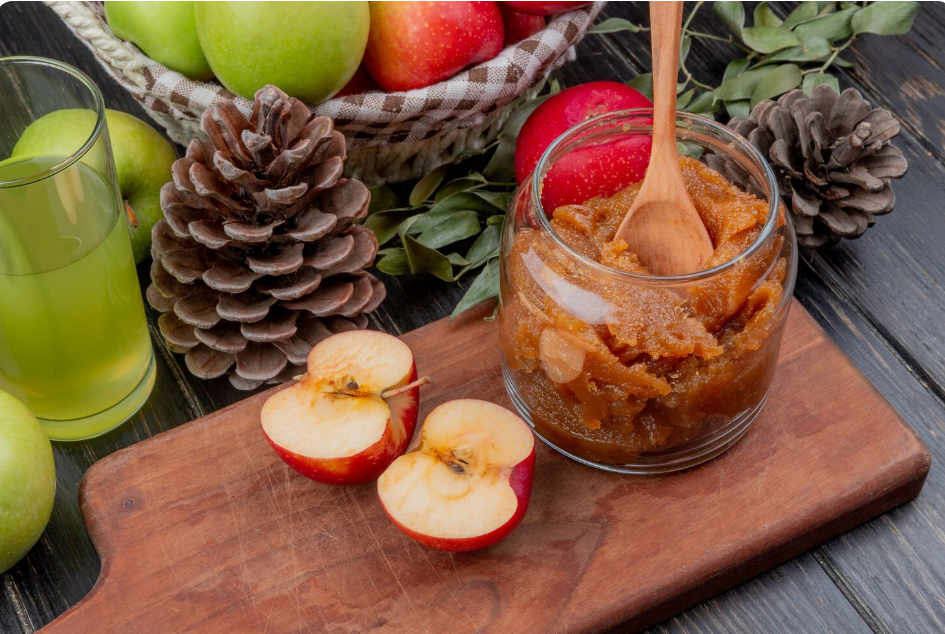
A basic filling can be prepared by combining the sliced apples with sugar, spices, flour or another thickener, lemon juice, and butter.
For a traditional approach, the filling can be assembled directly in the pie crust.
Another option is to partially cook the filling before putting it into the crust. Pre-cooking gives you greater control over the texture and amount of liquid. King Arthur’s make-ahead apple pie method specifically pre-cooks the apples before assembly to create a filling that sets more reliably when baked.
Basic Filling Method
- Peel and core the apples.
- Slice them evenly.
- Toss with lemon juice.
- Add granulated and brown sugar.
- Add cinnamon and other spices.
- Add flour or another appropriate thickener.
- Mix gently until the apples are evenly coated.
- Allow the mixture to sit briefly before assembling.
Avoid crushing the apples while mixing.
Preparing a Flaky Pie Crust
A good crust should be tender and flaky rather than tough.
Cold butter is important because keeping the fat cold helps create distinct layers in the dough.
A basic crust contains:
- Flour
- Salt
- Sugar
- Cold butter
- Ice water
Work the cold butter into the flour until uneven pieces remain. Add cold water gradually until the dough becomes cohesive.
Do not overwork the dough.
Once the dough comes together, divide it into two portions for the bottom and top crust. Wrap and refrigerate it before rolling.
Keeping the dough chilled makes it easier to handle and helps maintain the desired pastry texture.
Assembling the Pie
Once the filling and crust are ready, assembling the pie becomes straightforward.
Roll one chilled dough disk into a circle large enough to fit your pie pan.
Place it gently into the pan without stretching it.
Add the apple filling and distribute it evenly.
Small pieces of butter can be placed over the filling for additional richness.
Roll out the second dough disk and place it over the apples.
You can leave it whole and cut decorative vents or create a lattice crust.
Seal and crimp the edges.
If desired, brush the top with milk or egg wash and sprinkle with coarse sugar.
Lattice Crust vs. Traditional Top Crust
Both styles can produce an attractive pie.
Traditional Top Crust
A solid top crust provides a classic appearance and helps retain moisture.
Cut several vents into the surface before baking. These openings allow steam to escape.
Lattice Crust
A lattice top exposes portions of the filling while creating a decorative appearance.
It also allows more steam to escape during baking.
Lattice designs can be simple or elaborate depending on your baking experience.
If this is your first pie, a basic woven lattice is often easier than a highly intricate design.
Baking the Pie Correctly
Oven temperature plays an important role in both crust development and apple texture.
One established apple pie method starts at a relatively high temperature before reducing the oven temperature for the remainder of the bake. This helps the crust begin browning while allowing the filling to continue cooking more gently.
A practical baking sequence can be:
- Preheat the oven thoroughly.
- Place the assembled pie on a baking sheet.
- Begin baking at a higher temperature.
- Reduce the temperature after the initial baking period.
- Continue baking until the crust is golden and the filling is visibly bubbling.
- Cover the edges with foil if they brown too quickly.
- Remove the pie when the crust is fully baked.
- Allow it to cool before slicing.
The exact time depends on the pie size, oven, crust, apple thickness, and filling.
Why Cooling the Pie Matters
One of the most common mistakes is cutting the pie immediately after removing it from the oven.
The filling is extremely hot and liquid at this stage. As the pie cools, the thickener and natural fruit juices settle and become more stable.
King Arthur’s apple pie guidance recommends allowing a baked pie to cool completely before slicing for a cleaner result.
If you cut the pie too soon, the filling may run across the plate.
Waiting can be difficult when the kitchen smells wonderful, but patience generally produces better slices.
How to Prevent a Watery Filling
A watery filling can happen for several reasons.
Too Much Fruit Juice
Some apples release more moisture during baking than others.
Insufficient Thickener
Flour, cornstarch, tapioca, or specialized pie thickeners can help stabilize the filling.
Cutting the Pie Too Early
The filling needs time to cool and set.
Overfilling the Crust
Too many apples can create excessive liquid and make the pie harder to bake evenly.
Uneven Apple Slices
Thin pieces can soften faster than thick pieces, creating inconsistent texture.
Pre-cooking the filling is another technique that can improve control over the final consistency.
Spices That Complement the Apples
Cinnamon is the classic choice, but it does not have to be the only spice.
Consider adding small amounts of:
- Nutmeg
- Ginger
- Allspice
- Cardamom
- Cloves
Avoid using too many strong spices at once. The apple flavor should remain noticeable.
A simple cinnamon and nutmeg combination is often enough for a traditional pie.
Ways to Customize the Recipe
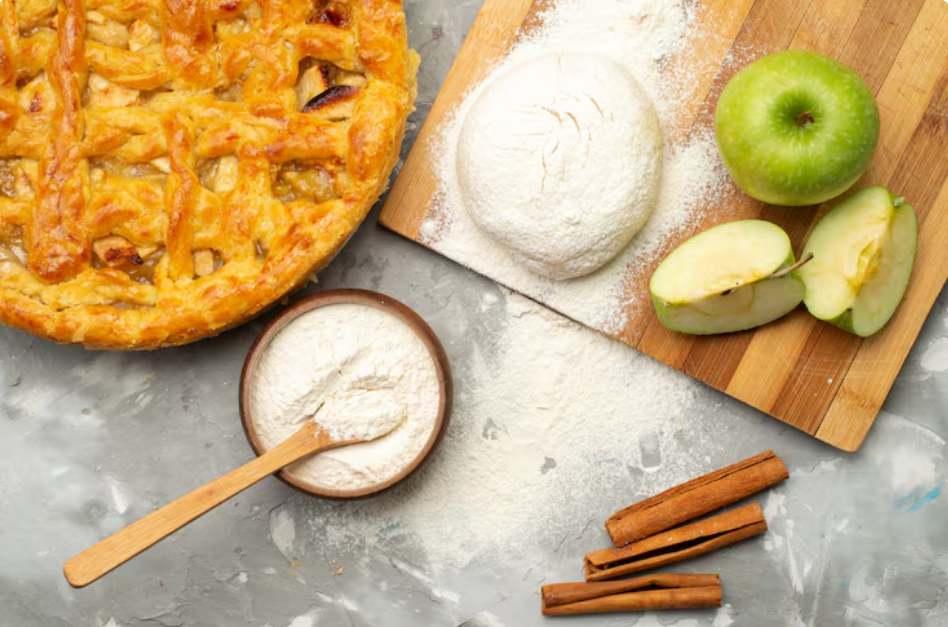
Once you understand the basic method, you can make the pie your own.
Caramel Apple Pie
Add a caramel drizzle after baking or incorporate a small amount of caramel flavor into the filling.
Nut-Topped Pie
Add chopped pecans or walnuts for additional texture.
Crumble-Topped Pie
Replace the traditional upper crust with a buttery crumb topping.
Cheddar Crust
A small amount of sharp cheddar incorporated into the pastry can create a sweet-and-savory variation.
Bourbon-Spiced Pie
A small amount of bourbon can provide additional depth for an adult dessert, provided the recipe and serving situation are appropriate.
Serving Suggestions
Apple pie can be served in many ways.
The traditional choice is vanilla ice cream.
Other possibilities include:
- Whipped cream
- Caramel sauce
- Vanilla custard
- Cinnamon ice cream
- Greek yogurt
- Powdered sugar
For the best texture contrast, serve a slightly warm slice with a cold topping.
Avoid reheating the entire pie repeatedly because this can affect the crust.
Storage and Reheating
A baked fruit pie can generally be stored at room temperature for a limited period when appropriately covered, although storage requirements can depend on the ingredients used.
King Arthur’s apple pie guidance indicates that leftover pie can be lightly covered and kept at room temperature for several days.
For longer storage, refrigeration can be used.
To restore some of the original texture, warm individual slices gently rather than repeatedly reheating the entire pie.
Common Baking Mistakes
Overworking the Dough
This can produce a tougher crust.
Using Warm Butter
Butter should remain cold during pastry preparation.
Adding Too Much Sugar
Very sweet apples require less added sugar than strongly tart varieties.
Skipping the Thickener
Without enough thickener, fruit juices can create a loose filling.
Forgetting Steam Vents
A solid top crust needs openings for steam to escape.
Slicing Immediately
Allow the pie enough time to cool and set.
Key Points to Remember
- Honeycrisp apples provide a sweet-tart flavor and crisp texture suitable for baked desserts.
- Combining two or three apple varieties can create more complex flavor and texture.
- Slice apples evenly so they cook at a similar rate.
- Lemon juice adds acidity and helps limit browning.
- Keep pie dough cold while preparing the crust.
- Use an appropriate thickener to control excess fruit juices.
- Vent a double-crust pie so steam can escape.
- Watch the crust carefully during baking.
- Allow the pie to cool before slicing.
- Serve with ice cream, whipped cream, or another preferred topping.
Final Thoughts
A homemade apple pie is a rewarding baking project because relatively simple ingredients can produce a dessert with impressive flavor and texture. Honeycrisp apples are a useful choice because of their balance of sweetness, tartness, and crisp texture, while combining them with other firm apples can add even more complexity.
The most important techniques are not particularly complicated. Use quality apples, slice them consistently, keep the pastry cold, balance the filling with an appropriate thickener, bake until the crust is properly browned and the filling is bubbling, and give the finished pie enough time to cool.
Once you have mastered the traditional version, you can experiment with different apple combinations, spices, toppings, crust designs, and serving options. That flexibility makes homemade apple pie a classic dessert that can be adapted to many occasions.
FAQs
1. Are Honeycrisp apples good for apple pie?
Yes. Honeycrisp apples can work well in pie because they provide a sweet-tart flavor and firm texture. They can also be combined with more acidic varieties for additional flavor complexity.
2. Can I use only Honeycrisp apples?
Yes. A pie can be made using only Honeycrisp apples. However, combining them with another firm apple can create a more complex balance of sweetness, acidity, and texture.
3. How do I keep apple pie from becoming watery?
Use an appropriate thickener, avoid excessive filling, slice the apples consistently, and allow the finished pie to cool completely before cutting. Pre-cooking the filling can provide additional control over its consistency.
4. Why should apple pie cool before slicing?
Cooling allows the juices and thickener in the filling to settle and create a more stable consistency. Cutting the pie while it is extremely hot can cause the filling to spread across the plate.
5. What is the best way to serve homemade apple pie?
It can be served warm or at room temperature with vanilla ice cream, whipped cream, caramel sauce, custard, or another preferred topping. A warm slice with cold vanilla ice cream provides a classic combination.