Matcha Powder Ultimate Guide Benefits Uses And Preparation Tips
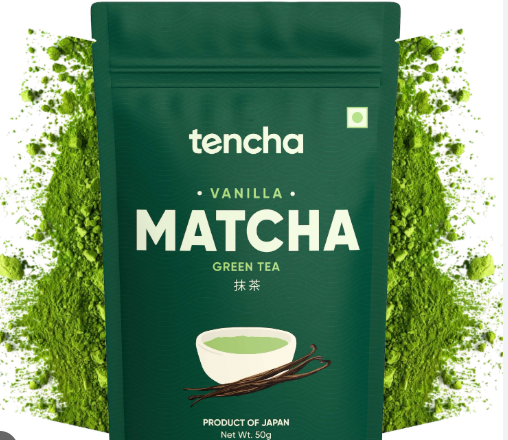
In recent years, matcha powder has become one of the most popular tea and wellness ingredients around the world. Known for its vibrant green color, unique flavor, and traditional connection to Japanese tea culture, matcha has moved beyond tea ceremonies and entered modern kitchens, cafés, and wellness routines.
Unlike regular green tea, which is brewed by steeping leaves and removing them afterward, matcha powder is made from finely ground green tea leaves that are consumed directly. This unique preparation method allows people to enjoy the full leaf and its natural compounds.
From traditional drinks to smoothies, desserts, and creative recipes, matcha powder continues to attract attention among tea lovers and health-conscious consumers looking for flavorful alternatives to everyday beverages.
Matcha Powder Quick Overview
| Category | Details |
|---|---|
| Product | Finely ground green tea powder |
| Origin | Japan |
| Main Use | Tea, beverages, desserts, recipes |
| Flavor | Earthy, slightly sweet, vegetal |
| Popularity | Wellness, culinary, and beverage markets |
| Preparation | Mixed with water, milk, or other ingredients |
What Is Matcha Powder
matcha powder is a type of powdered green tea created by grinding specially grown tea leaves into a fine texture. The leaves used for matcha are typically shade-grown before harvesting, which helps develop their distinctive color and flavor.
After harvesting, the leaves are processed to remove stems and veins before being carefully ground into a smooth powder.
The result is a concentrated tea ingredient that can be mixed directly into beverages or incorporated into different recipes.
History And Cultural Background Of Matcha
The history of matcha powder is closely connected to Japanese tea culture. Matcha has been used for centuries in traditional tea ceremonies that focus on mindfulness, preparation, and appreciation of the moment.
Historically, tea preparation was not only about drinking tea but also about creating a peaceful and meaningful experience.
Today, matcha continues to maintain its cultural importance while becoming popular internationally through cafés, restaurants, and home preparation.
How Matcha Powder Is Made
The production process of matcha powder involves several careful steps.
Growing Tea Plants
Matcha tea plants are often shaded before harvest. This process encourages the development of compounds that contribute to the tea’s color and flavor.
Harvesting Leaves
Only selected young leaves are harvested to create high-quality matcha.
Processing Leaves
The leaves are steamed, dried, and processed to remove unwanted parts.
Grinding Into Powder
Traditional stone grinding creates the fine texture that makes matcha different from other green teas.
This detailed production method contributes to matcha’s unique characteristics.
Nutritional Profile Of Matcha Powder
Many people choose matcha powder because it contains naturally occurring compounds found in green tea leaves.
Matcha may contain:
- Antioxidant compounds
- Natural plant nutrients
- Caffeine
- Amino acids such as L-theanine
- Minerals in small amounts
The exact nutritional content can vary depending on growing methods, quality, and serving size.
Potential Benefits Of Matcha Powder
Research on green tea compounds has explored several possible health effects. However, individual results can vary, and matcha should be enjoyed as part of a balanced lifestyle.
Potential benefits associated with green tea consumption include:
Antioxidant Support
matcha powder contains catechins, which are naturally occurring antioxidant compounds found in green tea.
Antioxidants help protect cells from oxidative stress caused by free radicals.
Energy And Focus
Because matcha contains caffeine and L-theanine, many people enjoy it as a beverage that provides a smoother energy experience compared with some stronger caffeinated drinks.
Relaxation And Mindfulness
The traditional preparation of matcha has long been associated with calm and focused experiences.
Many tea drinkers enjoy matcha as part of a mindful daily routine.
Healthy Beverage Alternative
Some people choose matcha as an alternative to sugary drinks because it can be prepared with simple ingredients.
Matcha Powder Compared To Regular Green Tea
Although both come from green tea leaves, matcha and regular green tea are prepared differently.
| Feature | Matcha | Regular Green Tea |
| Form | Powder | Leaves or tea bags |
| Consumption | Whole leaf consumed | Leaves removed after brewing |
| Flavor | Rich and concentrated | Lighter |
| Color | Bright green | Yellow-green to green |
| Preparation | Whisked into water | Steeped in hot water |
The main difference is that matcha allows consumers to consume the entire tea leaf.
Popular Uses Of Matcha Powder
Modern consumers use matcha powder in many different ways.
Common uses include:
- Traditional matcha tea
- Matcha lattes
- Smoothies
- Baked goods
- Ice cream
- Energy drinks
- Breakfast recipes
- Desserts
Its unique flavor makes it suitable for both drinks and food preparation.
How To Prepare Matcha Powder
Making matcha at home is simple with the right technique.
Basic preparation steps include:
- Add a small amount of matcha powder to a bowl or cup.
- Add warm water.
- Whisk until smooth and slightly foamy.
- Adjust strength according to personal preference.
- Add milk or sweetener if desired.
Using extremely hot water may affect the flavor, so many people prefer warm water for a smoother taste.
Choosing Quality Matcha Powder
The quality of matcha powder can affect taste, color, and overall experience.
Important factors include:
- Bright green color
- Smooth texture
- Fresh aroma
- Trusted sourcing
- Proper storage
- Clear labeling
High-quality matcha usually has a balanced flavor without excessive bitterness.
Storage Tips For Matcha Powder
Proper storage helps maintain freshness.
Recommended practices include:
- Keep it away from sunlight.
- Store it in an airtight container.
- Avoid moisture exposure.
- Use it within the recommended period after opening.
Because matcha is a delicate product, careful storage helps preserve its flavor and quality.
Creative Ways To Enjoy Matcha Powder
The popularity of matcha powder continues to grow because of its versatility. While traditional tea remains one of the most common ways to enjoy it, many people now use matcha in creative recipes.
Popular ideas include:
- Matcha latte with milk alternatives
- Matcha smoothies with fruits
- Matcha overnight oats
- Matcha pancakes
- Matcha cookies
- Matcha yogurt bowls
- Matcha desserts
Its earthy flavor pairs well with ingredients such as vanilla, chocolate, honey, coconut, and dairy or plant-based milk.
Matcha Powder In Modern Wellness Culture
Wellness trends have played a major role in increasing global interest in matcha powder. Many consumers are attracted to its connection with traditional tea practices, mindful routines, and natural ingredients.
Modern wellness communities often include matcha as part of routines focused on:
- Balanced nutrition
- Mindful habits
- Health-conscious choices
- Alternative beverages
- Daily rituals
However, it is important to remember that no single food or drink can replace a balanced diet and healthy lifestyle.
Common Mistakes When Using Matcha Powder
Beginners sometimes experience problems when preparing matcha.
Common mistakes include:
- Using poor-quality matcha
- Adding boiling water
- Not mixing the powder properly
- Using too much powder
- Storing it incorrectly
- Expecting it to taste like regular tea
Learning the correct preparation method can improve the overall flavor and experience.
Who Should Be Careful With Matcha Powder
Although many people enjoy matcha safely, individuals should consider their personal health needs before increasing caffeine intake.
People who may need caution include:
- Those sensitive to caffeine
- People advised to limit caffeine consumption
- Individuals with specific health concerns
- Pregnant individuals who have caffeine restrictions
Consulting a healthcare professional can help determine what is appropriate for individual situations.
Matcha Powder And Sustainability
Sustainability has become an important topic in the tea industry. Many consumers are interested in how their tea products are grown, processed, and packaged.
Responsible tea choices may involve:
- Supporting ethical farming practices
- Choosing transparent brands
- Reducing unnecessary packaging
- Understanding sourcing methods
Learning about production methods can help consumers make more informed purchasing decisions.
The Future Of Matcha Powder
The global popularity of matcha powder shows no signs of slowing down. As consumers continue exploring healthier beverage options and unique culinary ingredients, matcha is expected to remain popular.
Future trends may include:
- New matcha-based beverages
- More ready-to-drink products
- Creative food applications
- Increased focus on premium quality
- Sustainable production practices
The combination of tradition and modern innovation continues to make matcha appealing worldwide.
Explore More Food And Wellness Insights With TheMarginist
Looking for more information beyond matcha powder? TheMarginist publishes informative content covering food trends, wellness topics, lifestyle choices, nutrition discussions, business, technology, and modern consumer interests. Explore more resources related to matcha powder to discover practical guides, ingredient insights, and useful lifestyle information.
TheMarginist focuses on delivering engaging, informative, and easy-to-understand articles that help readers make better decisions about everyday topics.
Final Thoughts
matcha powder has become much more than a traditional Japanese tea ingredient. Its unique preparation method, rich cultural history, distinctive flavor, and versatility have helped it become a popular choice among tea enthusiasts and wellness-focused consumers.
From classic tea preparation to modern recipes, matcha offers many ways to enjoy a flavorful beverage and culinary ingredient. While it can be part of a balanced lifestyle, it is best appreciated as one component of overall healthy eating habits.
Understanding its origins, preparation methods, quality factors, and uses allows consumers to enjoy matcha in a more informed and meaningful way.
Frequently Asked Questions
What is matcha powder made from?
Matcha powder is made from specially processed green tea leaves that are ground into a fine powder.
Is matcha powder the same as green tea?
No. Both come from green tea plants, but matcha involves consuming the entire powdered leaf, while regular green tea is brewed and the leaves are removed.
How do you prepare matcha powder?
Matcha is typically mixed with warm water and whisked until smooth. It can also be combined with milk, sweeteners, or other ingredients.
Does matcha powder contain caffeine?
Yes. Matcha naturally contains caffeine because it is made from whole tea leaves.
Can matcha powder be used in recipes?
Yes. Matcha can be added to smoothies, baked goods, desserts, breakfast foods, and many other recipes.
How should matcha powder be stored?
Matcha should be stored in an airtight container away from heat, light, and moisture to help maintain freshness.
Why is matcha powder popular?
Matcha has gained popularity because of its unique flavor, cultural history, versatility, and connection with modern wellness trends.