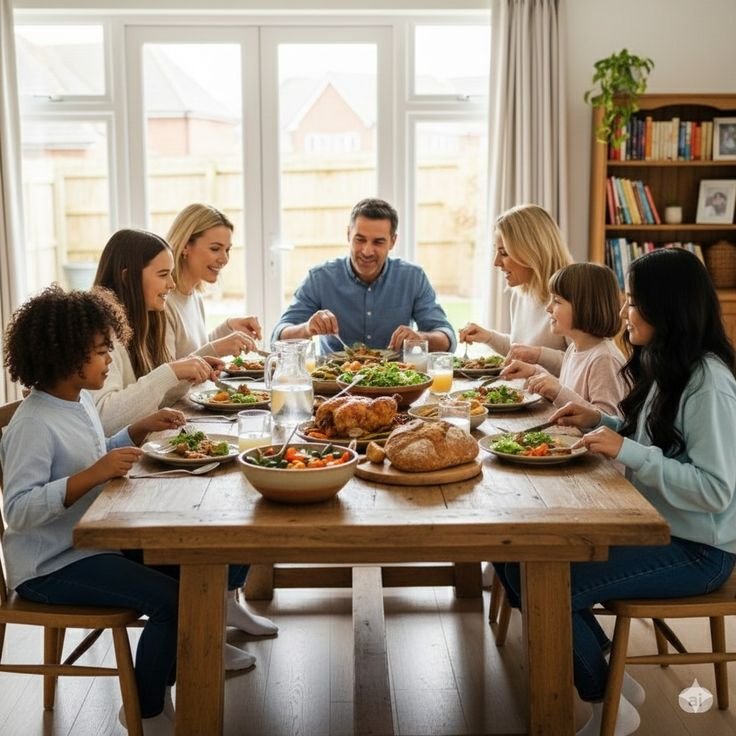
Family Recipes: Delicious Meals and Traditions to Share With Loved Ones
Family recipes are more than instructions for preparing a meal. They are a way to preserve memories, celebrate traditions, and bring people together around the table. Whether it is a grandmother’s signature curry, a parent’s favorite dessert, or a simple dish prepared every Sunday, family recipes often carry stories and traditions from one generation to the next.
In today’s busy lifestyle, cooking a family recipe can be a meaningful way to slow down and reconnect. You do not need complicated ingredients or advanced cooking skills. Some of the most memorable family meals are made with simple ingredients, familiar flavors, and a little time spent together.
In this guide, we explore the importance of family recipes, ideas for creating memorable meals, ways to preserve traditional recipes, and practical tips for building your own family recipe collection.
What Are Family Recipes?
Family recipes are dishes that have a special connection to a family. They may be recipes that have been passed down through generations, meals prepared for special occasions, or everyday dishes that everyone in the household enjoys.
Some family recipes remain exactly the same over the years, while others change as different family members add their own ingredients or cooking techniques.
Examples include:
- Traditional breakfast recipes
- Homemade soups and stews
- Family-style rice dishes
- Regional curries
- Homemade breads
- Favorite pasta dishes
- Festive sweets and desserts
- Holiday meals
- Sunday lunch recipes
- Childhood comfort foods
The recipe itself is only part of the story. The memories associated with preparing and eating it often make it even more valuable.
Why Family Recipes Are Important
1. They Preserve Family Traditions
Food is closely connected to culture and tradition. A recipe passed from one generation to another can help preserve flavors, cooking methods, and customs that might otherwise disappear.
Preparing a traditional dish can give younger family members an opportunity to learn about their heritage in an enjoyable and practical way.
2. They Create Lasting Memories
Many people remember particular meals from childhood long after they forget everyday details.
The smell of freshly baked bread, the sound of food cooking in the kitchen, or a dessert prepared for a family celebration can bring back powerful memories.
Cooking familiar recipes can therefore become a way of keeping those memories alive.
3. They Bring People Together
Preparing a meal can turn into a shared family activity. Children can help measure ingredients, parents can handle cooking, and grandparents can share traditional techniques or stories.
Even when everyone has a busy schedule, sitting down for a homemade meal creates an opportunity to talk and reconnect.
4. They Make Cooking More Personal
Recipes found online can be useful, but family recipes often have something different: personality.
A handwritten note saying “add a little extra spice” or “cook until it smells right” can reflect the way generations of cooks have prepared a dish.
These small details can make a recipe feel uniquely yours.
Popular Family Recipe Ideas
You do not need an extensive recipe collection to create meaningful family meals. Start with dishes that people already enjoy.
1. Homemade Breakfast
Breakfast is a great opportunity to establish family traditions.
Consider recipes such as:
- Pancakes
- Stuffed flatbreads
- Vegetable omelets
- Homemade porridge
- French toast
- Breakfast sandwiches
- Freshly baked muffins
A special breakfast prepared on weekends can quickly become a family tradition.
2. One-Pot Family Meals
One-pot meals are practical for busy households because they can feed several people without creating a mountain of dishes.
Ideas include:
- Rice and vegetable dishes
- Pasta
- Chicken and rice
- Bean stews
- Vegetable soups
- Lentil dishes
- Casseroles
These meals are also easy to customize according to family preferences.
3. Traditional Family Curries
For families with South Asian culinary traditions, curries can be an important part of family cooking.
A family curry recipe might include vegetables, lentils, paneer, chicken, or other ingredients. The spice combination can be adjusted according to personal taste.
Writing down the exact ingredients and cooking process can help preserve the recipe for future generations.
4. Homemade Bread and Baked Foods
Bread and baked foods can become memorable family recipes because they are often associated with holidays, celebrations, or weekends.
Examples include:
- Homemade bread
- Cookies
- Cakes
- Buns
- Pies
- Flatbreads
- Pastries
Baking together can also be an enjoyable activity for children.
5. Family Desserts
Desserts often have a strong emotional connection with family celebrations.
A treasured dessert might be prepared for birthdays, festivals, weddings, holidays, or other special occasions.
Consider preserving recipes for:
- Rice pudding
- Cakes
- Fruit desserts
- Cookies
- Homemade ice cream
- Traditional sweets
- Puddings
How to Preserve Family Recipes
Family recipes can easily be forgotten when they are not written down. Even a recipe that seems obvious to an experienced cook may be difficult for someone else to recreate years later.
Here are some ways to preserve them.
Write Down the Ingredients
Record the ingredients and approximate quantities. If a family member usually cooks “by eye,” try measuring the ingredients during the next preparation.
Record the Cooking Method
Do not record only the ingredients. Include important instructions such as:
- Cooking temperature
- Cooking time
- When to add each ingredient
- How to prepare ingredients
- How to know when the food is ready
- Recommended substitutions
These details can make the difference between simply having a recipe and being able to recreate it successfully.
Add Family Stories
Consider writing a short note about the recipe.
For example, record who originally made it, when the family usually prepares it, or why it is meaningful.
Years later, these stories may be just as valuable as the recipe itself.
Take Photos
Photographs can make a family recipe collection more personal. Take pictures of the finished dish, the cooking process, or even an old handwritten recipe card.
If you have old family recipe cards, consider scanning or photographing them so they have a digital backup.
Creating a Family Recipe Book
A family recipe book can become a wonderful keepsake.
You can organize recipes into categories such as:
Breakfast
Include everyday breakfast recipes and special weekend dishes.
Main Courses
Add family favorites for lunch and dinner.
Side Dishes
Record vegetables, salads, breads, sauces, and other side dishes.
Desserts
Include cakes, sweets, cookies, puddings, and other favorites.
Festive Recipes
Create a separate section for dishes prepared during festivals, holidays, birthdays, and other celebrations.
Special Family Recipes
Reserve a section for recipes that have a particularly important history within the family.
You can create a printed cookbook, a digital document, or both.
How to Make Family Cooking More Enjoyable
Cooking does not have to feel like another household responsibility. With a little planning, it can become a shared experience.
Cook Together
Give each family member a small responsibility. Children can wash vegetables or mix ingredients, while older family members can handle more complex tasks.
Let Everyone Choose a Recipe
Allow different family members to select meals for the week. This gives everyone a chance to contribute.
Have a Family Cooking Day
Choose one day each week or month for preparing a special family meal together.
It could be a traditional recipe, a new dish, or a favorite dessert.
Experiment With Old Recipes
Traditional recipes do not always have to remain unchanged. You can experiment with ingredients while keeping the basic character of the dish.
For example, you might:
- Add more vegetables
- Reduce the amount of salt
- Try whole-grain ingredients
- Create a vegetarian version
- Adjust spices
- Make smaller portions
Record successful changes so they can become part of the family recipe collection.
Family Recipes for Busy Households
A busy schedule does not mean you have to give up family cooking.
Try choosing recipes that can be prepared in advance or cooked in larger quantities.
Meal Prep
Prepare ingredients ahead of time, such as washing vegetables, making sauces, or cooking grains.
Cook in Batches
Large batches of soups, stews, curries, and other suitable meals can save time on busy days.
Keep Simple Recipes Available
Create a collection of quick family recipes that can be prepared when everyone is short on time.
Having a few reliable meals can make weeknight cooking much easier.
How Children Can Learn From Family Recipes
Cooking is an excellent practical learning activity for children.
While helping in the kitchen, children can learn about:
- Measuring
- Following instructions
- Food preparation
- Kitchen safety
- Different ingredients
- Cultural traditions
- Planning meals
- Sharing responsibilities
Older children can eventually learn to prepare simple family recipes independently.
This can help turn family cooking traditions into skills that continue into adulthood.
Tips for Updating Traditional Family Recipes
Some traditional recipes may use ingredients or cooking methods that no longer suit modern households. Updating them does not necessarily mean losing the original tradition.
Try making gradual changes.
For example:
- Keep the core ingredients that define the dish.
- Adjust portion sizes when necessary.
- Experiment with healthier preparation methods.
- Add vegetables where appropriate.
- Reduce excessive amounts of salt, sugar, or fat.
- Record both the original and updated versions.
This allows future generations to understand how the recipe originally tasted while also giving them a version that fits their lifestyle.
Family Recipes and Cultural Heritage
Food is one of the easiest ways to introduce younger generations to cultural heritage.
A traditional recipe can teach children about ingredients, celebrations, geography, customs, and family history.
Instead of simply telling children about a tradition, invite them into the kitchen. Let them see how the dish is prepared and hear the story behind it.
This makes cultural learning more interactive and memorable.
Common Mistakes When Preserving Family Recipes
Even well-loved recipes can become difficult to recreate if important information is missing.
Avoid these common mistakes:
- Assuming everyone knows the recipe
- Not recording ingredient quantities
- Forgetting cooking times
- Leaving out preparation instructions
- Failing to record family stories
- Relying only on one handwritten copy
- Not creating a digital backup
- Changing the recipe without documenting the original
Take the time to record recipes carefully while the people who know them best are still available to explain the details.
Frequently Asked Questions About Family Recipes
What makes a recipe a family recipe?
A family recipe is generally a dish that has a meaningful connection to a family. It may be inherited from previous generations, regularly prepared for family occasions, or simply be a favorite dish shared by household members.
How do I start a family recipe collection?
Start with five to ten recipes that your family already loves. Write down the ingredients, instructions, preparation tips, and the story behind each recipe. You can gradually expand the collection.
How can I preserve old handwritten recipes?
Photograph or scan old recipe cards and store digital copies in a secure location. You can also transcribe them into a digital recipe book while keeping the original cards safe.
Can family recipes be changed?
Yes. Families can adapt recipes to accommodate different tastes, available ingredients, dietary preferences, or cooking methods. Keeping a record of the original version can help preserve the recipe’s history.
How can I involve children in family cooking?
Give children age-appropriate tasks such as washing produce, measuring ingredients, stirring, decorating baked goods, or organizing recipe cards. Always supervise children around hot surfaces, sharp tools, and appliances.
Final Thoughts
Family recipes are a simple but meaningful way to connect food, memories, culture, and relationships. Whether you are preserving an old recipe from a grandparent or creating a new tradition with your children, every shared meal can become part of your family’s story.
Start with a few favorite dishes. Write them down, record the stories behind them, and invite family members to participate in preparing them. Over time, these recipes can become a collection of memories that continues to bring people together for generations.
The most valuable family recipes are not necessarily the most complicated ones. They are the dishes that make people feel at home.

One thought on “Family Recipes: Delicious Meals and Traditions to Share With Loved Ones”