French Toast Custard: How to Make Rich, Creamy, and Flavorful French Toast
French toast is a classic breakfast food that involves dipping bread in a blend of eggs and milk and then frying it until browned and soft. The soaking mixture, often referred to as French toast custard, is a big part of the final texture and flavor. A balanced custard means the bread will soak up just enough liquid to be creamy and soft inside with a lovely browned exterior in the pan. Knowing how the custard works allows you to make delicious French toast consistently, whether you’re making breakfast for your family, using leftover bread, or preparing a special weekend brunch.
French Toast Custard – What It Is
French toast custard is the liquid mixture that the bread is soaked in before being cooked. The basic ingredients are usually eggs, milk and a little sweetener. Other flavorings such as vanilla, cinnamon, nutmeg and salt can also be added.
The eggs provide structure to the French toast and help to give it a rich texture. Milk adds moisture and creaminess and sugar adds sweetness and helps browning during cooking.
The proportions count. Too much egg will make the finished toast too eggy, and too much milk will make the bread soggy and difficult to cook properly. A good custard should be rich enough to flavor the bread, but not so rich as to completely mask the natural texture of the bread.
Why Custard Is Important
Much more than flavoring is the responsibility of the soaking mixture. It turns ordinary bread into a tender breakfast treat with a soft inside and a crispy caramelized outside.
As the bread is dipped into the mixture, the liquid gradually seeps into the pores and spaces of the bread. The eggs will set as they cook, yielding a custard-like, creamy interior.
The type of bread will also affect how much custard it will absorb. Thick, hearty bread slices can hold more liquid than thin, delicate slices. That’s why selecting the right bread is as important as preparing the custard.
You can also tailor the flavor with a carefully concocted mixture. The vanilla adds a touch of sweetness and fragrance, the cinnamon adds a touch of warmth, and just a little salt brings the other flavors forward.
Picking the Best Bread
Generally the best bread for French toast is substantial enough to absorb the custard, but not disintegrate. Brioche, challah, French bread, sourdough and thick cut sandwich bread are all good.
Slightly stale bread is often especially helpful, as it has lost some moisture, and can take up more custard without becoming saturated immediately.
You can still use soft, fresh bread, but you have to be more careful with it. If the slices are too wet they will fall apart when you transfer them to the pan.
Brioche is a favorite for a particularly decadent breakfast, its buttery texture a perfect partner to an egg-based custard. Challah also offers a soft, slightly sweet base.
Key ingredients
A simple French toast custard doesn’t require many ingredients. Eggs and milk are the most important components.
A typical mixture may include:
- Eggs
- Whole milk or another milk of your choice
- Sugar or another sweetener
- Vanilla extract
- Ground cinnamon
- A small pinch of salt
Optional additions include nutmeg, cardamom, orange zest, maple syrup, cream, or a tiny amount of flavored extract.
Whole milk produces a rich result, while cream can make the custard even more luxurious. Lower fat milk will be fine too, but the final texture will be a bit lighter.
You can adjust the amount of sugar depending on how you serve your French toast. If you plan to top your custard with syrup, powdered sugar, fruit, or other sweet ingredients, a lightly sweetened custard may suffice.
Making the custard filling
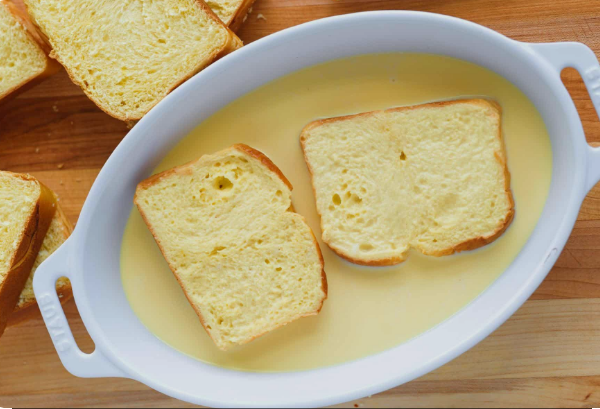
Crack the eggs into a large bowl or a shallow baking dish. Beat until the yolk and white are well combined.
Add milk, vanilla, cinnamon, salt and sweetener, stir. Whisk until the mixture appears to be smooth and evenly blended.
You want to be sure the sugar dissolves or is distributed evenly so that some slices aren’t noticeably sweeter.
If you are using ground cinnamon, stir well as it tends to float or clump up a bit naturally. For a super smooth mixture, you can strain the custard through a fine-mesh sieve if you like, but it’s not necessary.
The custard, when finished, will be a smooth, pourable consistency.
Getting the Custard to Bread Ratio Right
The biggest problem with French toast is that there is too much custard for the amount of bread. The objective is to have enough liquid to be absorbed by the bread, without leaving the center saturated.
Thicker slices generally require a longer soak. Thin slices may only need a quick dip.
Instead of soaking each slice the same amount of time, think about the thickness and dryness of the bread. Turn the slice over, coating both sides evenly.
The center should be soft but still steady. If the bread is very floppy it may be difficult to transfer it to the cooking surface without tearing.
Adding Flavor to the Custard
Classic French toast is typically flavored with vanilla and cinnamon, but the custard base can be transformed to create many different flavor profiles.
Nutmeg brings a slightly warm spice to the table that goes especially well with cinnamon. Cardamom can make a more aromatic and distinctive version. Orange or lemon zest can add brightness and contrast to the richness of the eggs and milk.
Make it a holiday version by adding a hint of ginger or a blend of warming spices.
The finished dish can also be changed by using almond or coconut extract. Use stronger extracts sparingly, as they will easily overpower the delicate flavor of the custard.
How To Make French Toast The Right Way
Once the bread has been soaked, it should be carefully transferred to a preheated skillet or griddle.
“Generally, moderate temperature is better for cooking. If the pan is too hot, the outside can brown quickly while the inside stays undercooked. If the temperature is too low, the bread may take too long to brown and can become too soft.
Put a knob of butter or cooking fat in the pan. Set the bread on a sheet or plate in a single layer with room to turn each piece over comfortably.
Cook until first side is golden brown, then flip and cook the other side. The actual cooking time depends on the thickness of the bread and how much custard it soaked up.
The last French toast should be brown on the outside and soft and cooked on the inside.
Prevent French Toast from Getting Soggy
French toast that ends up soggy is usually the result of the bread absorbing too much liquid or being cooked at the wrong temperature.
Slightly stale bread can help. Thick slices are also easier to handle and can absorb custard without immediately falling apart.
Soak the bread in the water and then take it out immediately. Many types of bread require only a good coating.
Another important element is the cooking surface. The pan should be well preheated before adding the soaked bread. This way the outside can start browning while the inside cooks.
If you are making a number of batches, wipe excess browned butter or residue from the pan as needed and add fresh cooking fat.
French Toast Custard Versions
There are plenty of ways you can change a basic custard recipe.
For a richer version, use some heavy cream in place of some of the milk. It gives a richer texture and is especially good for serving at special occasions.
For a lighter option, use lower-fat milk and cut back on added sugar.
A maple-flavored version can use a little bit of maple syrup in the custard. Maple syrup is liquid so the overall balance can be tweaked a little if needed.
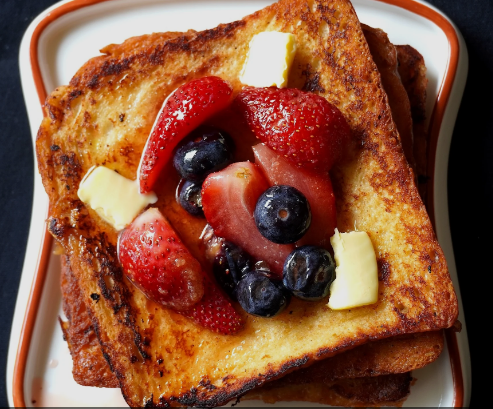
For a fruit twist, add citrus zest, or serve the finished French toast with fresh berries.
You can make it a chocolate version by adding a little cocoa powder but it is important to whisk well to avoid lumps.
Toppings That Go Well With French Toast
When the french toast is complete, toppings can take a simple breakfast to a full brunch affair.
Maple syrup is one of the most popular choices. Powdered sugar gives the bread sweetness without making it too heavy. Fresh strawberries, blueberries, raspberries, bananas and peaches can bring freshness and natural sugar.
Chopped nuts for texture and nut butter for richness. Adding whipped cream, particularly on top of berries, can make the dish more indulgent.
A good rule of thumb for a balanced plate is to pair a sweet topping with fresh fruit and a small amount of something creamy or crunchy.
How to Make French Toast for a Crowd
French toast can be made efficiently if you are serving a lot of people . Make the custard in a large shallow dish so that you can dip in several slices at a time.
Meanwhile, keep the cooked slices warm in a warm oven while you do the rest of the batches. Don’t stack too many pieces on top of each other because steam can soften the browned outside.
If you’re serving a crowd have all the bread and toppings ready ahead of time. The custard itself can be mixed just before cooking.
Especially with thick slices, be sure to cook them until the center is fully set without burning the outside.
Typical Errors To Avoid
A common mistake is to use too thin or fragile bread. It can suck the custard too fast and fall apart.
Another is whisking the eggs properly. If the eggs are not mixed well you will get spots of cooked egg on the bread instead of an even coating.
Too much sugar can cause the surface to brown too quickly, too. The toppings are cooked and may have some extra sweetness from this.
Another common problem is cooking at very high heat. Keep the heat low enough so the custard has time to cook and the outside gets a nice golden crust.
Finally, don’t overfill the pan. Crowding can reduce the temperature in the pan and make it harder to flip the slices.
How to Serve and Store French Toast
French toast is best served immediately after cooking, as the outside is crispiest. But leftovers can be stored in an airtight container in the fridge.
To bring back some of the original texture when reheating, use a skillet, toaster oven or oven. Microwave ovens are handy, but they can make the bread a bit mushy.
If you know you’re going to have leftovers, don’t add syrup or other wet toppings until you’re ready to serve. If possible keep toppings in separate containers.
You can also freeze the French toast. Layer cooled slices in a freezer-safe container, with parchment or other separator between pieces . Reheat individual servings as required.
Key Points to Remember
A successful French toast custard depends on achieving the right balance between eggs, milk, sweetness, and flavorings.
- Use sturdy bread that can absorb liquid without falling apart.
- Slightly stale bread often works particularly well.
- Whisk the eggs thoroughly before adding the remaining ingredients.
- Use enough milk to create a creamy mixture without making it excessively thin.
- Add vanilla and spices according to your preferred flavor.
- Avoid oversoaking thin bread.
- Preheat the cooking surface before adding the soaked slices.
- Cook over moderate heat to prevent burning.
- Give each side enough time to become golden brown.
- Serve immediately for the best texture.
- Store leftover toppings separately when possible.
- Reheat leftovers gently to preserve their texture.
Tips for Making Better French Toast Every Time
Consistency of good results depends on paying attention to the bread before the toppings. A solid slice, a slightly dry one, is better at sucking up custard.
Make sure the custard is evenly mixed and use a shallow dish so you can coat the bread without too much handling. Turn each slice over carefully and don’t turn it back and forth through the liquid.
Also the cooking temperature is important. The egg mixture is cooked inside at a moderate heat while the outside browns in time.
You can also vary each batch a little by playing with spices and toppings. Once you’ve got the basic custard down, though, there are all sorts of flavor additions that don’t require an entirely different recipe, such as lemon or orange zest, cardamom, nutmeg, or maple syrup.
Final Thoughts
A good french toast starts with a balanced custard and the right kind of bread. The eggs give it structure, the milk gives it richness, and the simple flavors of vanilla and cinnamon give it warmth. If the bread is soaked and cooked carefully over moderate heat, you can end up with a golden exterior and tender center. French toast custard is also easy to adapt, so you can make everything from a simple weekday breakfast to an indulgent weekend brunch. With some basic techniques and attention to soaking and cooking time, homemade French toast can become a reliable and versatile favorite.
Frequently Asked Questions
1. What is the best milk for French toast custard?
Whole milk is a popular choice because it provides a rich and creamy texture. However, lower-fat milk, cream, or suitable milk alternatives can also be used depending on the desired result.
2. Why does my French toast become soggy?
French toast can become soggy when the bread absorbs too much custard or when it is cooked at too low a temperature. Using sturdy bread, controlling soaking time, and cooking over moderate heat can help.
3. Can I prepare French toast custard ahead of time?
Yes. The mixture can generally be prepared in advance and kept refrigerated until you are ready to use it. Whisk it again briefly before soaking the bread.
4. What bread absorbs custard best?
Brioche, challah, French bread, sourdough, and thick-cut bread are all good choices. Slightly stale bread is often particularly effective because it can absorb the mixture without becoming too fragile.
5. How can I make French toast more flavorful?
Vanilla, cinnamon, nutmeg, cardamom, citrus zest, maple syrup, and other flavorings can be added to the custard. Fresh fruit, nuts, powdered sugar, and syrup can also be used as toppings.